
Article
Process mapping in support functions: a path to excellence


Support functions, including human resources, finance, purchasing, and the legal department, play a crucial role in the smooth operation of an organization. However, these processes tend to be complex and challenging to measure. Process mapping is a structured, collaborative tool that makes these processes visible. By providing a detailed representation of steps, information flows, responsible parties, execution times, and lead times, this methodology enables you to identify waste and redesign processes in a straightforward and efficient manner that aligns with the organization’s objectives.
Process mapping is more than just a technical exercise; it’s also an opportunity to engage teams in continuous improvement and foster transparency, collaboration, and cross-functional learning. This article explores the concept of process mapping, its relevance in support functions, and the steps for implementing it.
What is process mapping, and why is it relevant in support functions?
In support functions, processes are often less visible and harder to measure. Unlike production environments, where material flow is tangible and easily traceable, administrative and service areas are characterized by information flows that move between people, systems, and departments. This invisibility leads to efficiency losses, such as delays, redundancies, excessive bureaucracy, and communication errors.
Process mapping emerges as an essential tool for making these processes understandable, enabling the identification of waste, team alignment, and activity redesign for greater efficiency.
Defining process mapping
Process mapping is a lean tool used to systematically map every step of a process, from inputs to outputs, while identifying stakeholders, information flows, execution times, decision points, and resulting outcomes.
By building a process map, it becomes possible to visualize the actual sequence of activities and the interactions between people, teams, and systems—revealing how work truly flows. This detailed representation highlights not only the process path but also its waste, variability, and critical points.
Process mapping is therefore essential for:
- Making the often-invisible visible, especially in support functions dominated by information flows.
- Identifying waste (Muda), such as duplicated tasks, information loss, excessive bureaucracy, and waiting times.
- Creating an objective foundation for improvement discussions, encouraging cross-functional collaboration, and the development of sustainable solutions.
In short, process mapping is the starting point for transforming complex and fragmented processes into clear, transparent, and optimized systems, serving as a catalyst for continuous improvement.
Benefits for administrative and service areas
Mapping business processes in support areas provides multiple benefits:
- Lead time reduction: eliminating idle time and accelerating information flow to reduce delays.
- Productivity improvement: reducing waste and increasing the value-added time of resources.
- Fewer errors: clarifying responsibilities, inputs, and outputs to reduce failures caused by missing or miscommunicated information.
- Greater transparency: improving visibility into who does what and the current status of activities.
- Enhanced internal and external customer service: delivering faster and more consistent processes, increasing satisfaction.
- Higher team motivation: employees feel more engaged when involved in identifying improvements and working within transparent, well-defined processes.
By enabling these benefits, process mapping helps support functions—such as Global Business Services (GBS)—become engines of innovation and efficiency. Rather than being seen as bureaucratic cost centers, they can reposition themselves as strategic partners and centers of excellence within organizations.
How to apply process mapping
Applying process mapping follows a structured approach that combines analytical rigor with team engagement. The goal is to understand in detail how processes actually operate, identify waste, and redesign workflows to be simpler, faster, and more effective.
Preparation
The first step in applying process mapping is preparation. This starts with selecting a process that is relevant to the organization’s goals and presents clear opportunities for improvement. Next, the process must be defined by clearly setting its boundaries—that is, where it begins and ends.
Once defined, documentation and detailed execution data should be collected. This includes identifying key stakeholders, error rates, execution times, tools used, and other relevant information. Finally, the team and the purpose of the mapping effort must be defined, aligning expectations around what is to be achieved—whether reducing lead time, increasing productivity, or minimizing errors.
Do you need support to map and optimize your organization’s processes?
Mapping the current state (as-is)
Once the preparation is complete, the next step is building the current state map. This can be done using swimlane diagrams or the BPMN (Business Process Model and Notation) framework, both of which provide a structured and visual representation of how the process operates at a specific point in time. The main objective at this stage is to understand reality as it is.
This work is typically carried out through a collaborative workshop involving all stakeholders in the process. Teams use sticky notes to represent activities, responsibilities, and information flows, allowing for a dynamic and participatory mapping experience.
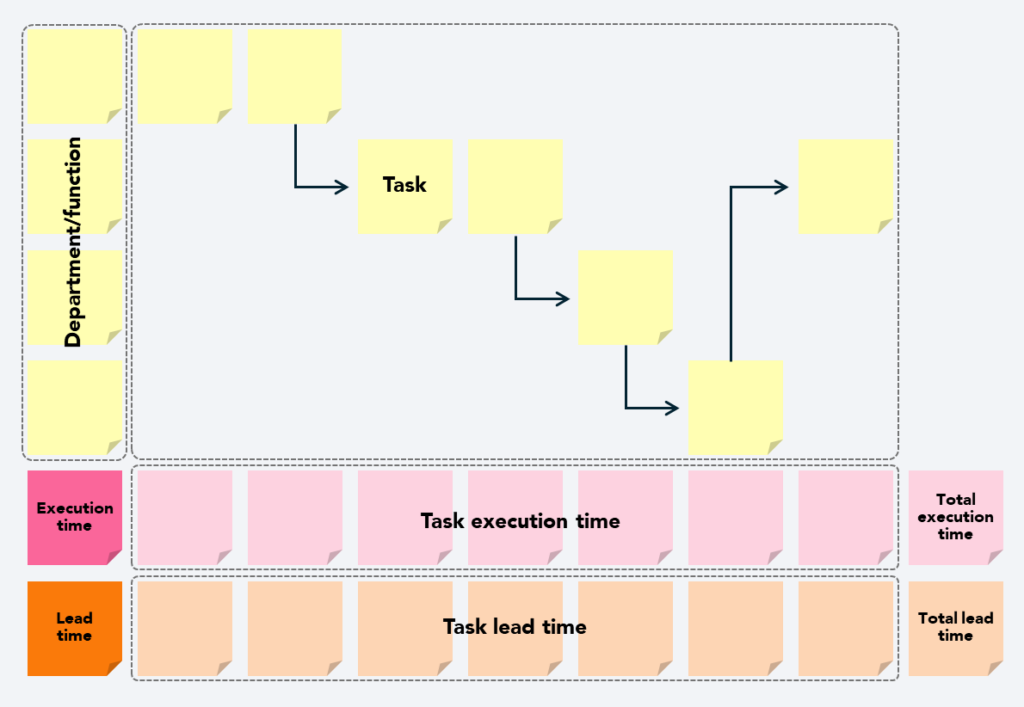
Figure 1 – Example of process mapping structure
Execution times and total lead time are also included in the map. Capturing this data makes it possible to visualize where the main sources of waste and bottlenecks are concentrated, providing a solid foundation for the analysis that follows.
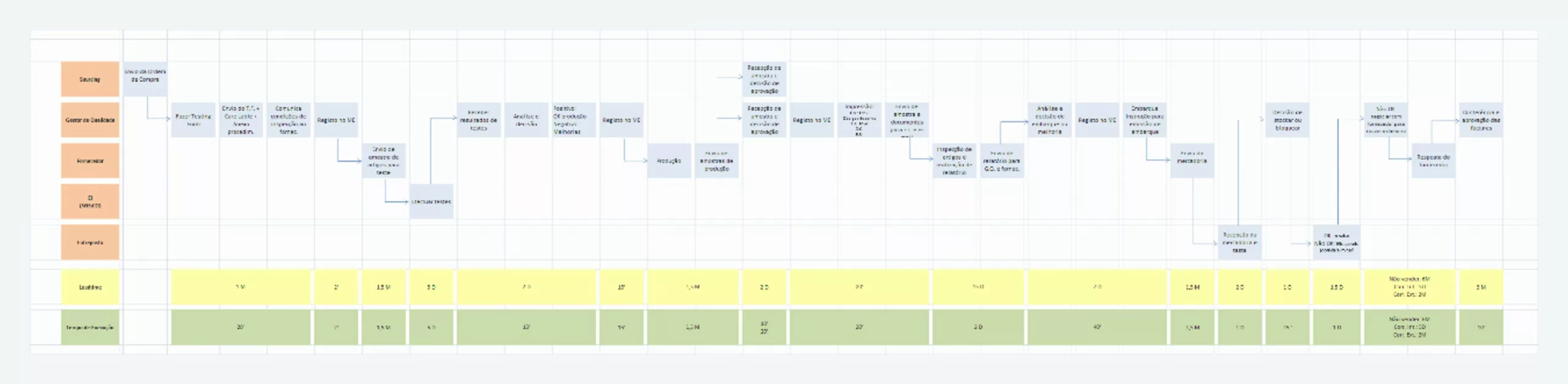
Figure 2 – Example of the current state map
Identifying waste and improvement opportunities
With the current state documented, it becomes possible to analyze the process in detail and identify areas that generate waste and inefficiency. At this stage, the team should highlight existing issues—such as idle information, communication breakdowns, task duplication, and other non-value-adding activities. In some cases, a root cause analysis may also be necessary. This is followed by a brainstorming session to generate improvement ideas—bringing together different perspectives and ensuring contributions from all stakeholders involved in the process.
The next step is to determine the improvement potential—that is, to quantify the possible gains if the identified issues are resolved. These gains can be measured in terms of execution time, lead time reduction, error reduction, cost savings, or improved service levels. Finally, the most feasible and high-impact proposals are selected.
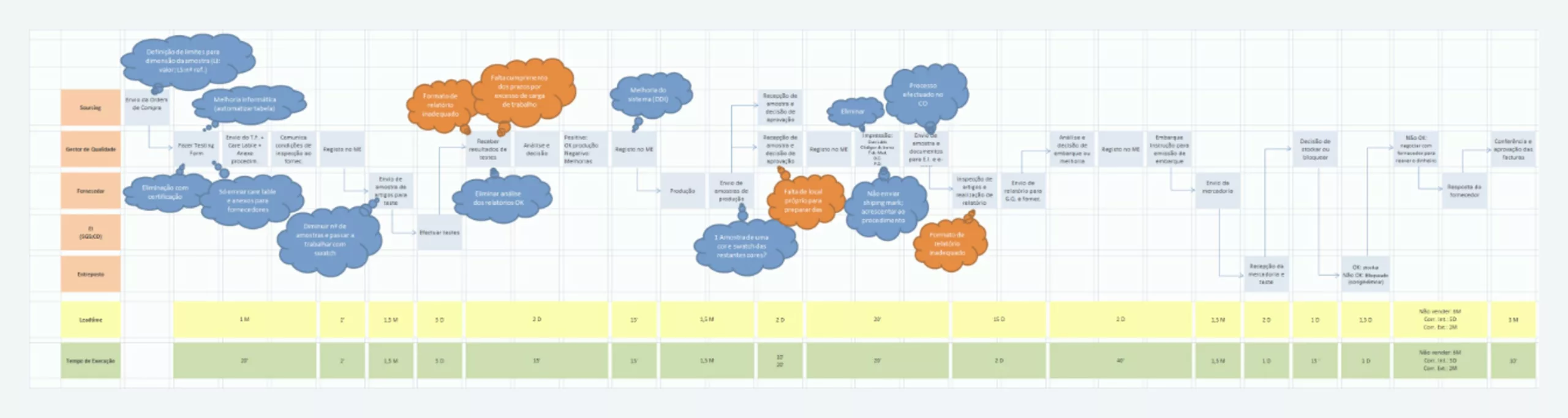
Figure 3 – Example of a map identifying opportunities for improvement
Designing the future state (to-be)
After identifying the issues and selecting the proposed solutions, the future state of the process is mapped. This new map represents the Kaizen vision for the process—that is, how it should operate after the improvements have been implemented. The goal is to build a flow that is more streamlined, standardized, customer-centric, and efficient—eliminating waste and reducing variability. The future state vision may also include solutions for process automation.
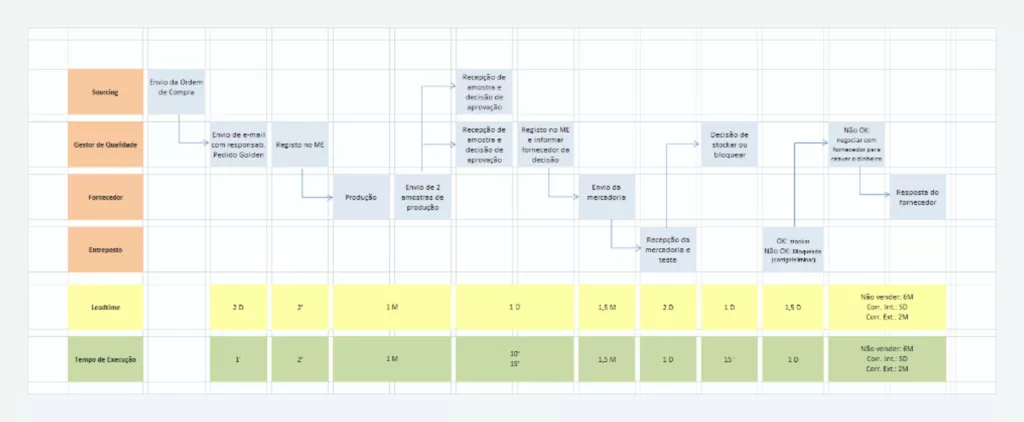
Figure 4 – Example of the future state map
Defining the action plan
The future state map only becomes a reality through a structured action plan. At this stage, the team must define the specific actions required to implement the improvements, including assigning responsibilities, timelines, and resources for each initiative. It’s vital for the plan to balance quick wins—initiatives that can be executed rapidly—with more foundational actions that require greater effort but deliver long-lasting impact.
This plan serves as a bridge between the future process vision and its practical execution, ensuring discipline and alignment throughout implementation.
Implementation with monitoring
The final stage is executing the action plan, accompanied by rigorous monitoring to ensure that the solutions are implemented as intended and produce the expected results. During this phase, the organization should track the implementation of each action, evaluating whether the initial performance indicators are trending positively.
More than just a closure, this phase represents the beginning of a continuous cycle: based on monitoring, new opportunities for adjustment and improvement arise, in line with the Kaizen culture. Thus, the process not only improves but also remains in constant evolution, consolidating a culture of excellence in support functions.
Examples of process mapping in support functions
Process mapping proves especially valuable in optimizing support operations, where information flows and cross-functional interactions dominate. By making these processes visible and measurable, hidden waste can be identified, productivity increased, and service quality improved.
In human resources, mapping processes helps clarify critical steps such as recruitment, onboarding, and administrative management. It exposes delays and coordination gaps between departments—allowing for faster employee integration and the reduction of unnecessary bureaucracy.
In Finance, processes like P2P (Procure-to-Pay), O2C (Order-to-Cash), or the monthly close benefit from increased transparency and simplification. Mapping reveals redundancies, rework, and data integration failures—enabling faster execution and improved information accuracy.
Through these improvements, support operations become more efficient and are no longer viewed merely as administrative centers. Instead, they position themselves as strategic partners in driving overall organizational efficiency.
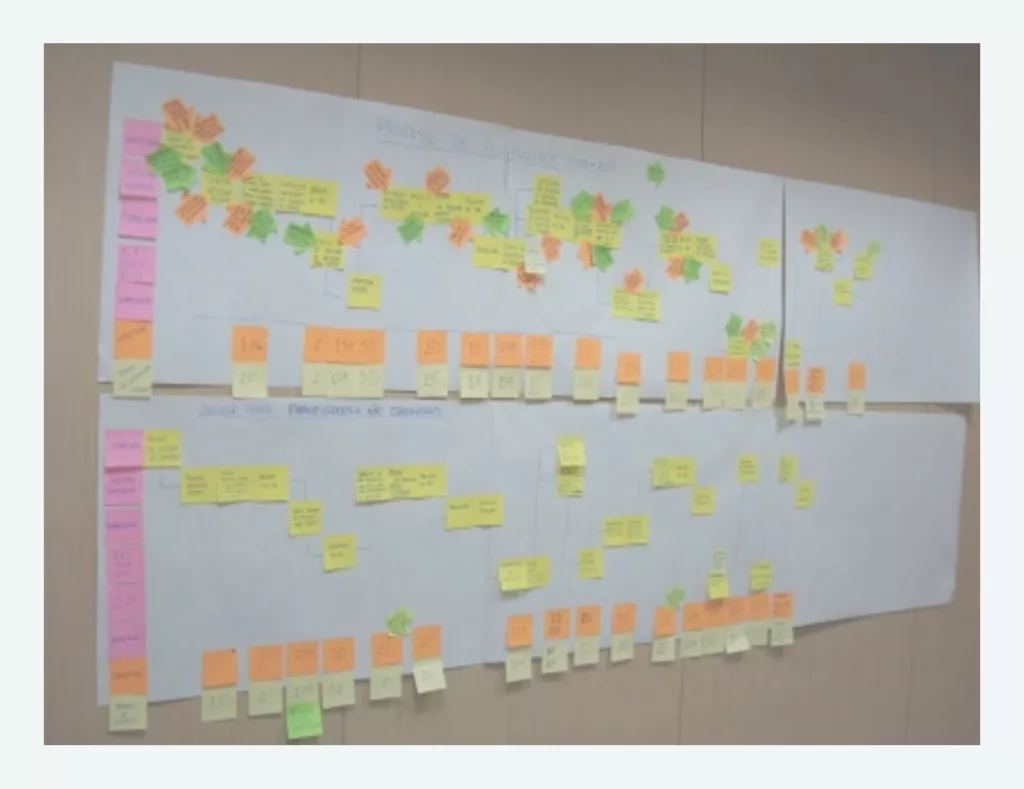
Figure 5 – Example of process mapping in support functions
Best practices for ensuring sustainable results
To ensure that process mapping delivers lasting results, it is essential to adopt best practices that help sustain the improvements achieved. One of these is process standardization—making sure the new way of working is documented correctly and consistently followed by everyone involved. Standardization should not be seen as rigidity, but rather as a foundation that provides stability and creates the conditions for ongoing improvement.
Another critical practice is training and upskilling teams to ensure employees fully understand the redesigned process and are capable of performing their responsibilities effectively.
Finally, regularly monitoring the process’s key performance indicators (KPIs) helps ensure that the gains achieved are maintained over time. By applying the Kaizen approach to operations, organizations can achieve long-term, sustainable results through process mapping.
Do you want to streamline your processes, reduce lead times, and improve the quality of information flows?
Conclusion: The role of process mapping in transforming support functions
Process mapping—widely used in lean six sigma and continuous improvement—is a true catalyst for transformation within support functions. By making often complex and invisible processes visible, such as incident management or knowledge management, it exposes waste, reduces execution times and lead times, and simplifies information flows.
When applied collaboratively through workshops involving all stakeholders, process mapping not only generates more effective solutions but also promotes team alignment and motivation. In doing so, employees move beyond simply executing tasks—they become active participants in continuous improvement.
Integrated into a lean kaizen culture, process mapping becomes more than an isolated exercise. It evolves into a systematic practice capable of sustaining improvements and driving service excellence strategies. This transformative role makes process mapping an essential tool for any organization aiming to achieve greater efficiency and agility.
Still have questions about process mapping?
What’s the difference between process mapping and value stream analysis?
While process mapping and Value Stream Analysis (VSA) share the same objective—improving process efficiency—they differ in focus and level of detail.
Process mapping is typically used for information flows and provides a detailed breakdown of each process step, including stakeholders, information flows, execution times, and lead time. It is beneficial in support functions, where processes are primarily information-based.
Value stream analysis (also referred to as value stream mapping) operates at a broader, macro level. It represents the entire value stream, highlighting lead time, value-added time, and losses between steps. VSA is commonly used in manufacturing and logistics environments to optimize overall system performance.
What’s the difference between process mapping and SIPOC?
While both tools are used to understand and improve processes, they serve distinct purposes and offer varying levels of detail.
The SIPOC matrix (Suppliers, Inputs, Process, Outputs, Customers) provides a high-level view of a process. It helps to understand the organizational context and map how various departments interact—but it doesn’t provide a detailed breakdown of internal process steps.
In contrast, process mapping digs deeper into a specific process, detailing each step, function, information flow, and responsible party. It provides visibility into the actual operation of the process, revealing interdependencies, waste, and opportunities for improvement.
In summary, SIPOC is ideal for a macro-level overview and alignment, while process mapping offers an operational, detailed perspective that supports process redesign and the implementation of targeted improvements.
What’s the difference between process mapping and a flowchart?
While both process mapping and flowcharts are used to represent processes, they serve different objectives. Process mapping focuses on activities, timing, and interactions between stakeholders—making the interfaces between people and departments visible. It is ideal for understanding the overall process flow and identifying improvement opportunities.
Flowcharts, on the other hand, describe the sequence of tasks and decisions within a subprocess in more detail, but they typically don’t identify who performs each activity.
In short, process mapping offers a broader, more collaborative view, which is helpful for analysis and improvement, while flowcharts are better suited for documenting and standardizing task-level execution.
Are there software tools to support process mapping?
Yes—several digital tools support process mapping, which are especially valuable when in-person collaboration isn’t possible. These platforms enable teams to create, view, and discuss process maps collaboratively and remotely, while maintaining efficiency and engagement.
Such tools often include process map templates to design workflows, define responsibilities, log execution times, and share real-time updates. When face-to-face workshops aren’t feasible, using process mapping software ensures the work remains collaborative, transparent, and aligned with a continuous improvement mindset.
See more on Support Functions
Find out more about improving this business area