
Interview
Interview with Ian Middleton: Leadership, strategy, and continuous improvement in global industry


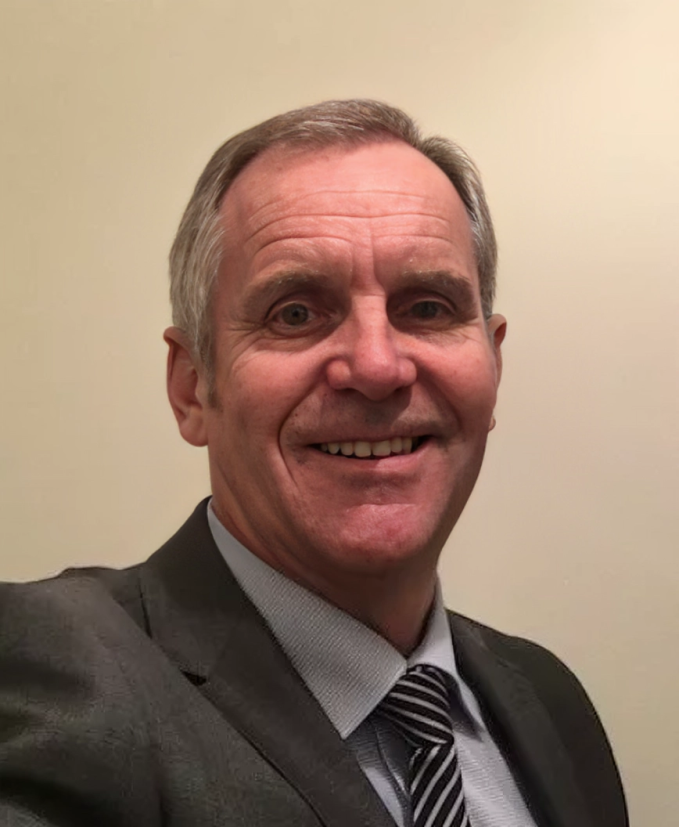
Ian Middleton
Non Executive Board Member
Kaizen Institute United Kingdom & Ireland
In an era of disruptive change, only a few leaders have demonstrated the clarity, resilience, and long-term strategic discipline required to guide major organizations through complex industrial transformation. With more than three decades of executive leadership across the automotive and manufacturing sectors, Ian Middleton has built a distinguished track record of driving growth, operational improvement, and cultural renewal within some of the industry’s most influential global groups.
His career is characterized by an ability to navigate highly competitive international markets while leading teams through periods of significant technological and structural change. Middleton’s journey has taken him from the shop floor of British manufacturing in the 1980s to the boardrooms of multinational corporations—most notably Gestamp and Thyssenkrupp Automotive—where he played a pivotal role in shaping strategy, securing global opportunities, and embedding sustainable performance.
In this interview, he reflects on his leadership journey and the central role of continuous improvement in shaping competitive, resilient organizations.
Ian, when you look back at your time at Gestamp, what stands out as your most significant impact?
Gestamp impact
When I joined Gestamp in 2012 as Global Business Development Director, I immediately recognized the caliber of the organization and the potential for global expansion. My initial focus was strengthening client relationships and enhancing our technological positioning—ensuring that we were not only meeting customer expectations but anticipating and exceeding them.
As I moved into the role of Managing Director for the UK Division and later UK Chairman, the scale of the opportunity—and responsibility—widened. We undertook a strategic realignment across the UK operations that prioritized customer requirements, innovation, supply-chain resilience, and operational excellence. It was a period of intense change in the industry, from political uncertainty to the early phases of electrification.
What made the difference was a disciplined approach combined with a real emphasis on people and culture. Transformation is ultimately about mindset, not machinery.
You mentioned culture. How did you embed continuous improvement into the organization’s DNA?
Culture & CI
The starting point is always clarity: clarity of purpose, processes, and expectations. But clarity alone isn’t enough—you must also create an environment where people feel empowered to challenge and improve whatever they do.
We invested heavily in developing leaders at all levels, encouraging them to adopt a problem-solving mindset. Instead of focusing solely on targets, we focused on behaviors: collaboration, accountability, and transparency. Once people understand that continuous improvement is not a project but a way of thinking, performance transforms naturally.
Organizations often underestimate how powerfully culture drives results. If you get the culture right, operational excellence generally follows.
Before Gestamp, you spent seven years at Thyssenkrupp Automotive. How did that experience shape your leadership?
Thyssenkrupp lessons
My time at Thyssenkrupp was instrumental in shaping my understanding of global business dynamics. As Group Business Development Director, I had a front-row seat to technological shifts and emerging competitive pressures. It was a role that required deep insight into global markets, strong partnerships with OEMs, and an ability to identify long-term opportunities amid significant complexity.
I also learned the importance of agility. Global Customer Requirements and supply chains were expanding and evolving rapidly; competitiveness depended on anticipating market needs and responding decisively. Those lessons influenced much of my later work at Gestamp—particularly the need for innovation and operational improvement to remain competitive in global markets.
Today, you serve as a Non-Executive Board Member at Kaizen Institute Western Europe. How does this role connect with your passion for continuous improvement?
Kaizen board role
It aligns perfectly. Kaizen is fundamentally about building disciplined, sustainable improvement cultures. In my role, I help organizations look beyond short-term fixes and focus instead on strategic clarity, operational discipline, and proactive leadership behavior.
Continuous improvement is not about cost reduction—it is about value creation. It’s about equipping teams with the tools, the mindset, and the confidence to improve processes at every opportunity. That philosophy has been a key part of my leadership career, so supporting organizations in applying it is extremely rewarding.
You also lead Safe Consulting Limited. What types of challenges are organizations bringing to you?
Leadership style
Many organizations come to us because they’re facing transformation, restructuring, or performance plateaus and increasing customer demands. They want to understand how to improve operational efficiency, strengthen customer and supply-chain resilience, or align leadership teams around a clear strategic direction.
What they often discover is that the real challenge is cultural. Processes, systems, and structures matter—but without engaged people and aligned leadership, improvement doesn’t stick. My role is to help leaders see the bigger picture as well as the technical and behavioral dimensions of transformation.
How would you describe your own leadership style and incorporating continuous improvement?
Future challenge
I lead with clarity, engagement, and purpose. Strategy must be rooted in operational reality, and communication must be transparent and consistent. I believe in empowering teams, holding people accountable, and fostering a culture where improvement is everyone’s responsibility.
I’m committed to continuous improvement—not as a corporate program, but as a leadership philosophy. The organizations that succeed long-term are those that learn continuously and adapt relentlessly.
As industries shift toward electrification, digitalization, and sustainability, what do you see as the biggest leadership challenge?
Key takeaways
The greatest challenge is balancing long-term transformation with the operational demands of today. Many industries are navigating technological shifts that require major investment, cultural adaptation, and strategic rethinking. Leaders must provide vision and direction while ensuring the organization remains competitive, efficient, and resilient.
What will differentiate the successful organizations is a clear and flexible strategy with a continuous improvement culture in every aspect of the business.
Lead transformation with clarity, discipline, and continuous improvement
Conclusions: A leadership philosophy for the new industrial era
Conclusions
Ian Middleton’s career demonstrates a consistent and disciplined approach to transformation. Whether leading multinational divisions, shaping global business strategies, or advising boards, his leadership is grounded in:
- A culture-first approach to transformation.
- A belief that continuous improvement is strategic, not tactical.
- A commitment to operational excellence through people and processes.
- The integration of clarity, transparency, and engagement into leadership practice.
As global industries evolve, Middleton’s perspective offers an essential reminder: sustainable success is built not on short-term reactions, but on the daily behaviors, disciplined thinking, and cultural strength that continuous improvement enables.
Organizations seeking resilience, innovation, and long-term competitiveness increasingly look to leaders like Ian Middleton—leaders who understand that transformation is not an event but a continuous journey.
A leadership style built on clarity, engagement, and purpose
Middleton’s leadership is marked by a blend of strategic foresight and pragmatic execution. He is known for fostering collaborative, accountable cultures that empower people and teams, ensuring alignment with long-term and organizational and strategic goals.
His influence extends beyond the automotive world. Organizations across manufacturing, engineering, and industrial services continue to seek his perspective on transformation, innovation, and sustainable value creation.
Looking ahead
As industries worldwide adapt to an accelerating shift toward electrification, digitalization, and sustainability, leaders with Middleton’s depth of experience and global perspective are increasingly rare. His career stands as a testament to the power of steady, principled leadership in times of disruption.
Whether advising boards, guiding transformation programs, or shaping long-term strategy, Ian Middleton remains a respected voice in modern industrial leadership—a leader defined not only by past achievements but by an enduring commitment to helping organizations navigate the future with confidence and clarity.
See more on Lean
Find out more about improving this business area
See more on KAIZEN™ Culture
Find out more about improving your organization