Case Study
Efficiency in polymer production
Goals: increase energy efficiency and reduce waste through loss analysis, process digitalization, and formula reengineering


This case study outlines the journey of a polymer manufacturing company in pursuit of operational excellence by implementing sustainable and innovative solutions aimed at reducing waste and optimizing energy consumption.
The company and global industrial innovation
The company in question is currently one of the world’s leading producers of synthetic rubber and chemicals, ranking among the top 10 companies in the sector globally. Its history began in the late 1990s with the merger of two major companies into a global industrial project focused on developing new products.
It currently has around 2,000 employees of different nationalities and six production centers located in Spain, Mexico, and China, after adopting an internationalization strategy. With a commercial presence in more than 70 countries and a base of 500 active customers, the company stands out for its innovation, performance, and commitment to sustainability, thus highlighting its ESG commitment.
The challenge of energy efficiency and waste reduction
Despite its industrial leadership and strong international presence, the company was facing significant challenges related to the efficiency of its production processes.
Take the first step toward operational efficiency and sustainability
Among the main challenges identified were:
- Lack of overall awareness regarding energy waste
- Absence of an organized workplace culture
- High volume of waste generated across multiple production lines
- Long downtimes due to product changeovers and breakdowns
- Variable chemical consumption across different product references.
The lack of understanding of the causes behind the main sources of energy loss made it difficult to implement effective measures. Additionally, product preparation formulas were primarily based on operator experience and perception, without applying standardization practices.

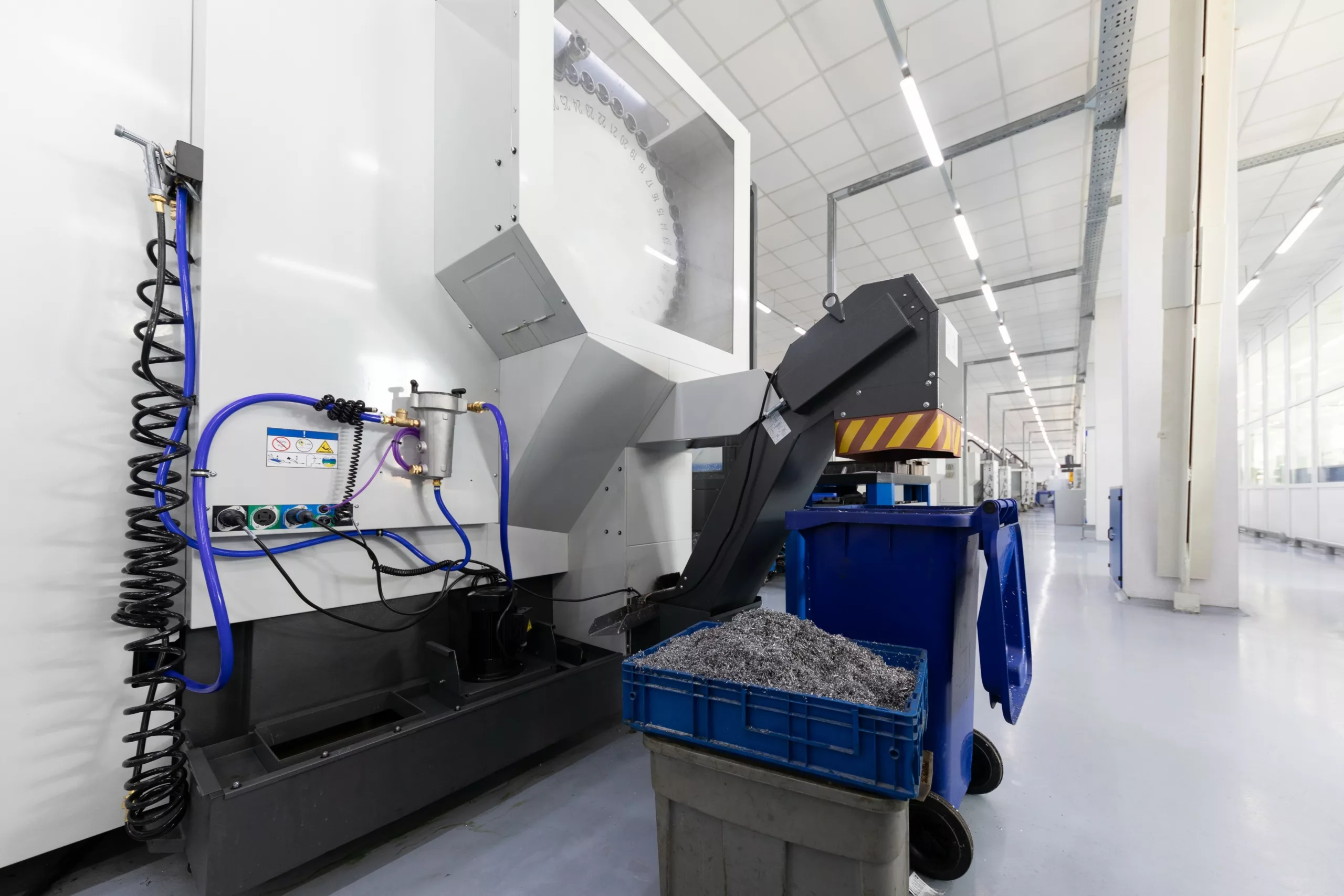
Figure 1 – Examples of waste generated by production
The integrated approach to operational efficiency
To address these challenges, the company adopted a series of initiatives focused on structured problem analysis, equipment improvement, and digital transformation of the production process. Key actions included:
- Creation of a control chart with real-time data for process monitoring
- Implementation of Daily Kaizen Level II
- Improvement to processability of generated waste through equipment adaptation
- Redesign of energy circuits to eliminate redundancies
- Reengineering of product formulas to ensure minimal waste and increase raw material yield
- Visual management of losses in critical equipment.
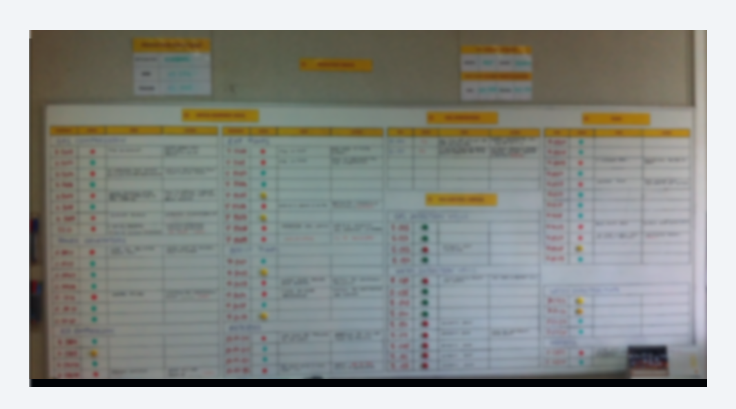
Figure 2 – Example of visual management of losses in critical equipment
Results achieved through operational transformation
The systematic approach adopted enabled the company to achieve significant results in terms of cost savings, efficiency, and sustainability.
Financial and environmental savings
The improvements implemented led to annual savings exceeding €2.8 million, driven by waste reduction and optimized resource consumption.
In addition, there was a 6% reduction in energy consumption and a 14% decrease in waste generated, directly contributing to the organization’s sustainability and operational efficiency goals.
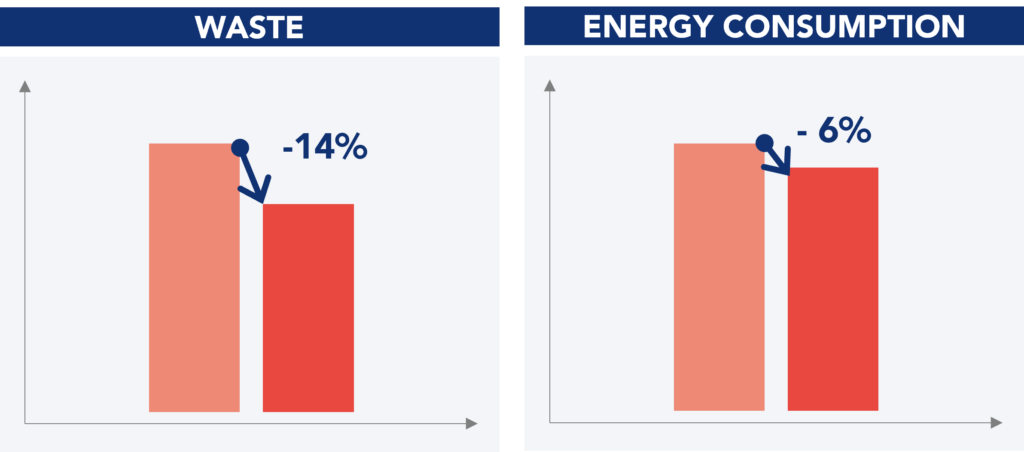
Figure 3 – Charts related to the results achieved
This case demonstrates how an integrated continuous improvement approach, combined with process digitalization, operational standardization, and strong team engagement, can sustainably transform the performance of an industrial organization. By addressing energy and waste challenges with structured solutions, the company not only achieved significant savings but also strengthened its leadership position in the sector, consolidating a culture focused on excellence and continuous innovation.
We are committed to respecting our clients’ confidentiality. While we have altered or omitted their names, the results are genuine.
See more on Chemicals and Plastics
Find out more about transformation in this sector
See more on Sustainability
Find out more about improving this business area