
Case Study
Operational excellence in the pharmaceutical industry: productivity, quality, and lean culture
Goals: promote a culture of continuous improvement, increase warehouse productivity, and improve operational quality


+12 %
Warehouse productivity
– 48 %
Errors per line
– 5
Transport routes eliminated
The pharmaceutical distribution industry plays a critical role in ensuring safe and timely access to medicines and healthcare products. It is a highly regulated sector that demands absolute precision and consistent reliability throughout the entire supply chain. With rising demand and increasingly stringent quality and traceability requirements, organizations in this sector face the challenge of operating efficiently, minimizing errors, and responding quickly to customer needs. In this context, developing efficient processes, skilled teams, and a culture of continuous improvement is essential to support growth and ensure operational excellence.
Driving excellence in pharmaceutical distribution
The organization in focus is one of the leading pharmaceutical companies in the Netherlands, specializing in the distribution of medicines and medical products. With over 150 years of history and approximately 5,000 employees, it plays a vital role in ensuring safe, reliable, and efficient access to healthcare nationwide. As part of a major European group, it leverages its strong local presence to meet the demands of a highly regulated sector characterized by rigor, traceability, and high-quality standards.
Its logistics operations are supported by a modern distribution center, which recently underwent a significant expansion to boost capacity. This center plays a critical role in the pharmaceutical supply chain—handling product storage, automated order picking, central filling for pharmacies, and coordinating transportation to pharmacies and healthcare institutions nationwide. With around 300 employees during peak periods, the center operates as a high-intensity hub essential for ensuring fast, consistent, and accurate deliveries.
In the face of increasing operational complexity and the need for greater efficiency, accuracy, and stability, the organization defined a set of strategic objectives to guide its transformation journey:
- Strengthen a sustainable culture of continuous improvement, grounded in the belief that culture powers success.
- Improve employee satisfaction and engagement through more effective meeting structures and increased accountability and autonomy.
- Increase warehouse productivity, targeting 110 lines per hour by June 2025.
- Reduce errors per line and raise right first time (RFT) performance to ensure higher quality and consistency.
- Cut overtime, late shifts, and transportation costs by optimizing end-to-end supply chain processes.
Enhance the efficiency and accuracy of your pharmaceutical distribution operations
The turning point that sparked the continuous improvement journey
The company was operating in an increasingly demanding environment, marked by high volumes, precision requirements, and significant fluctuations throughout the day. These conditions exposed limitations in efficiency, quality, and process stability, making it necessary to implement more structured continuous improvement practices. The project aimed to build consistent routines to reduce errors, eliminate waste, stabilize flow, and increase team engagement.
Increasing productivity and stabilizing workflow
The operation experienced significant workload peaks throughout the day and lacked synchronization across subprocesses. This caused variations in work pace and inefficiencies across the end-to-end flow. The resulting instability made it difficult to meet productivity targets consistently and increased the need for additional resources during critical periods.
Reducing errors and strengthening operational quality
Although there was a strong awareness of quality requirements, the lack of clear integration of customer feedback into daily routines and the handling of defects mainly downstream in the process limited the ability to ensure right first time. Errors per line led to rework, affected service levels, and increased pressure on teams.
Cutting overtime and logistics costs
Operational variability and imbalances throughout the day extended work into late hours, leading to overtime and additional transportation costs. Improving supply chain coordination was essential to achieving more stable, efficient operations.
Strengthening employee engagement and autonomy
Despite having established Lean practices, there was room to boost active participation in performance meetings, reinforce daily work standardization, and further embed a continuous improvement culture. The absence of structured mechanisms for sharing and applying best practices limited cross-learning and the development of Lean maturity.
From theory to practice: the Lean transformation that came to life at the Gemba
To address the identified challenges and accelerate operational transformation, the organization implemented a structured set of Lean initiatives based on principles such as visual management, flow stability, structured problem-solving, and people development. The goal was to build more predictable processes, eliminate waste, and empower teams to take a central role in continuous improvement—ensuring greater operational efficiency and consistency.
Structuring daily management routines
The introduction of weekly mission control meetings, daily meetings, and shift handover briefings reinforced the Lean pillars of daily communication and fast problem-solving. These routines ensure alignment among teams, increase transparency regarding performance, and establish an operational cadence, which is essential for stabilizing the pace of work and anticipating deviations.
Continuous improvement led by the shop floor
Using improvement cards, teams began identifying opportunities for improvement directly at the Gemba. This practice reinforces one of the core principles of Lean philosophy—that the most effective improvements come from those doing the work every day. Monthly recognition increased engagement and created an incentive system to promote quick, simple, and impactful solutions.

Figure 1 – Team board at the Gemba
Leadership development and Lean skills training
The Lean Academy delivers training programs to develop leaders who can guide their teams through coaching, standard-setting, and structured follow-up. This initiative aligns with the Lean principle that true transformation is only sustainable when leaders master the behaviors, routines, and tools of continuous improvement.
Ready to begin your company’s agile transformation?
Workplace organization and visual management
The 5S methodology and layout changes created a more organized, safer, and more efficient work environment. These elements are essential for reducing searching time, minimizing variation, and making visible the problems that would otherwise remain hidden. Visual management also enables any employee to understand the status of the operation at a glance.
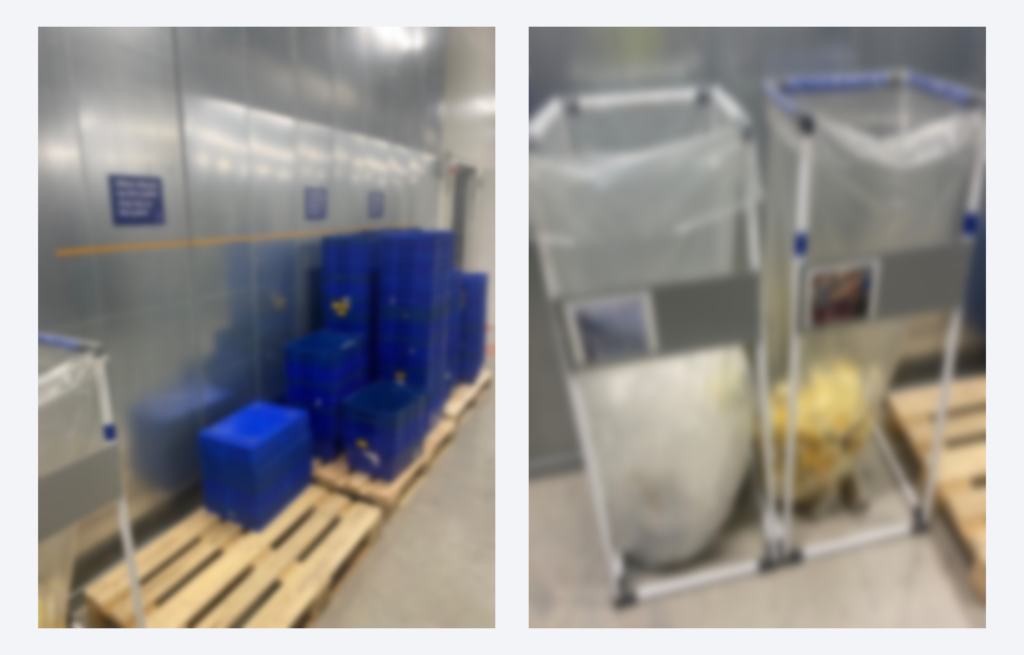
Figure 2 – Example of 5S application
Real-time monitoring of operational performance
Real-time dashboards reinforce the Lean pillar of data-driven decision-making. By making information immediately visible, teams can respond more quickly to deviations, identify patterns, and improve the stability of daily execution.
Expanding the Lean culture to support functions
Applying Lean practices to support areas—beyond operations and retail, where they were already well-established—helped eliminate redundancies, improve the end-to-end flow, and ensure all departments contributed toward shared goals. This systemic approach was essential to embedding a broader and more integrated culture of continuous improvement.
Launching new initiatives to eliminate waste and stabilize processes
New Lean initiatives were introduced to eliminate waste, reduce redundancies, and simplify workflows. These efforts strengthened the operation’s Lean maturity and supported greater process stability.
Tangible gains in productivity, quality, and sustainability
The implementation of Lean initiatives led to significant improvements in productivity, quality, and logistics efficiency, while clearly strengthening the organization-wide culture of continuous improvement. These results reflect greater process stability, stronger daily routines, and increased team engagement.
Quantitative results
- +12% warehouse productivity, reflecting more stable execution and greater responsiveness.
- – 48% errors per line, enhancing process reliability and right first time performance.
- – 5 transport routes, contributing to reduced logistics costs and a more sustainable operation – an estimated reduction of 35,000 kg in transport-related emissions.
Qualitative results
- Greater team autonomy in identifying and solving problems, with more consistent continuous improvement practices.
- Increased leadership presence at the Gemba, strengthening operational oversight and data-driven decision-making.
- Lean culture expanded from operations to support functions, promoting cross-functional and integrated improvement.
- Improved transparency and alignment, supported by visual management, real-time dashboards, and standardized daily routines.
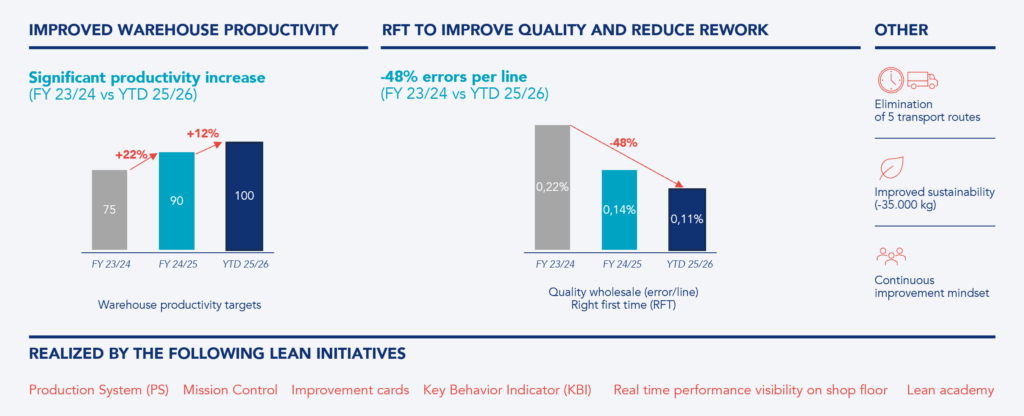
Figure 3 – Quantitative and qualitative results achieved
Conclusion: elevating efficiency in pharmaceutical distribution
This organization’s journey demonstrates that the right combination of operational discipline, team engagement, and a culture of continuous improvement can significantly transform the performance of any operation. By strengthening daily routines, empowering leaders and employees, and making processes more visible and stable, it became possible to achieve tangible results in productivity, quality, motivation, and internal alignment.
This case proves that meaningful change is possible when there is a clear commitment, a shared vision, and a constant focus on learning. Organizations that invest in structured Lean practices and promote team autonomy create the conditions for continuous improvement and sustained results. As seen here, other companies in the sector can also transform their processes and achieve higher levels of efficiency, quality, and engagement.
We are committed to respecting our clients’ confidentiality. While we have altered or omitted their names, the results are genuine.
See more on Pharmaceuticals
Find out more about transformation in this sector
See more on Operations
Find out more about improving this business area