
Case Study
Gonvarri Industries’ decarbonization journey
Goals: reduce direct emissions by 50% by 2030 and ensure that 100% of the electricity consumed in factories comes from renewable sources


60%
Electricity from renewable sources
– 62%
Emissions associated with electricity consumption
– 45%
Total accumulated emissions between 2021 and 2023
Decarbonization has become one of the greatest strategic challenges for the global industry. Regulatory pressure, the need to reduce climate risks, and the growing demands of customers and investors are profoundly transforming how companies produce, consume energy, and manage their value chains.
In this context, the transition to low-carbon industrial models is no longer just an environmental issue: it is now a determining factor for competitiveness, innovation, and resilience. Companies that succeed in integrating sustainability at the core of their strategy are better positioned to respond to market demands, attract talent, reduce operational costs, and ensure access to more sustainable raw materials and energy.
It is within this context that the journey of Gonvarri Industries unfolds, having embraced decarbonization as a structural transformation across the entire organization. Due to its strong commitment to sustainability, the company was recognized at the Kaizen Awards Spain 2025 and was awarded the “ESG” prize.
Company identity and commitment
Gonvarri Industries is an industrial group with over 65 years of activity, specializing in the transformation of flat steel, aluminum, and metal solutions. With more than 70 plants distributed across 29 countries, the company stands out for its strong industrial culture, continuous innovation, and ability to adapt to its customers’ needs. Gonvarri’s DNA is rooted in deeply held values such as honesty, humility, and hard work. Sustainability is an integral part of the management model, with a focus on safety, health, quality, and respect for people and the environment.
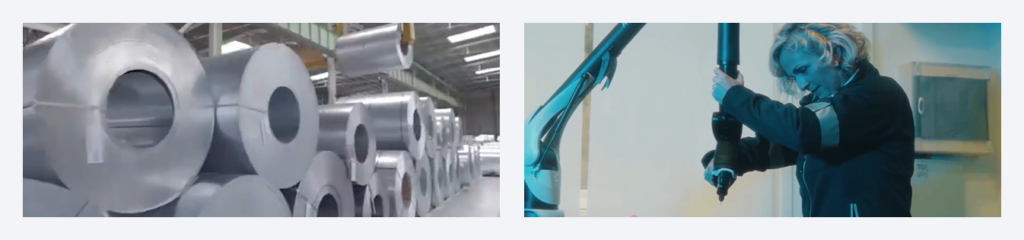
Figure 1 – Example of the company’s activities
The company aims to build a more sustainable and emissions-free future, seeking to grow as a solid and responsible organization. This vision led to the development of the Carbon Neutral plan, made public in 2020, which defines clear targets for 2030.
“There are two main objectives: the first is to reduce direct emissions by 50% by 2030, and the second is for 100% of the energy consumed in our plants to come from renewable sources” – Eduardo Fernández, Sustainability Director
The decarbonization challenge
The company began its decarbonization journey at a time when regulatory pressure, technological evolution, and customer expectations were profoundly transforming the steel and metals sector. The company recognized that emissions reduction could not be addressed as a set of isolated initiatives, but rather as a strategic transformation requiring a global vision, rigorous metrics, and the involvement of the entire organization.
The complexity of the challenge lay in the fact that decarbonization simultaneously affected both internal operations and the processed metal materials, requiring an integrated approach.
Turn sustainability into a competitive advantage
Need to measure to transform
One of the first obstacles was the lack of consolidated metrics to accurately diagnose the starting point and monitor the evolution of emissions across each production unit.
Without this foundation, making informed decisions or ensuring that decarbonization efforts were producing the expected results would be a very difficult task.
Mobilizing a global organization
With more than 60 plants and thousands of employees, another critical challenge was ensuring that the entire organization understood the plan and its objectives. It was necessary to provide training and capability development for employees in all factories so that they could understand the decarbonization plan, its implications, and the targets to be achieved.
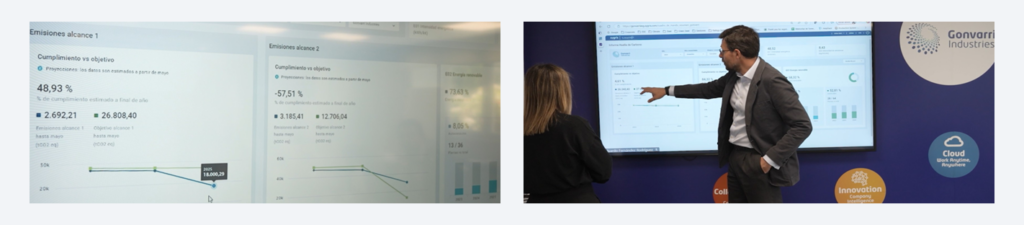
Figure 2 – Examples of presenting and sharing the targets to be achieved
Cross-functional training became essential to transform decarbonization into a collective commitment rather than just a corporate project.
Defining ambitious but realistic targets
The company needed to establish clear goals for 2030, aligned with its Carbon Neutral plan. The challenge lies in reconciling these targets with the operational reality of factories distributed across several countries, with different levels of technological maturity, different energy sources, and different regulatory contexts.
From strategy to action: The path to decarbonization
Gonvarri Industries’ decarbonization strategy was made possible through a set of structured actions that combine energy efficiency, electrification, the expansion of renewable energy, and investment in innovation. These initiatives were developed progressively, with a direct impact on factory operations and on reducing emissions associated with energy consumption.
Energy efficiency and monitoring
Over the past decade, Gonvarri has implemented a continuous energy efficiency program based on the principle that the best energy is the energy that is not consumed. The Technical Department conducted a detailed analysis of all processes with the aim of optimizing energy consumption.
By the end of 2024, a total of 111 measures were recorded, achieving annual energy savings of more than 23 GWh, representing a reduction of more than 8% in the group’s total consumption. The energy savings are distributed between 57% in electricity and 43% in natural gas. Currently, 19 plants are already equipped with monitoring systems.
Process electrification
Electrification has become one of the main levers for reducing consumption. Electrifying material handling, the vehicle fleet, and climate control were the main lines of action. Aerothermal projects stand out, enabling reductions of more than 70% in natural gas consumption. Gonvarri currently has two operational installations in the Navarra and Burgos plants, in addition to several projects under development.
Solar photovoltaic self-consumption
Investment in solar photovoltaic self-consumption has been another central element of the strategy. Since the beginning of the decarbonization plan, 18 factories have installed solar systems, which currently represent around 10% of the group’s electricity consumption.
“We are generating much more energy.” – Javier López, Technical Director
The company expects this figure to increase to 12% by 2026.
Purchase of electricity from renewable sources
Gonvarri has complemented self-consumption with the purchase of renewable electricity through contracts with external suppliers. The agreement signed with Naturgy in 2022 marked the beginning of this strategy. By the end of 2024, around 60% of the electricity consumed by the group was already from renewable sources. The objective is to reach 100% before 2030, in line with the Carbon Neutral Plan.
Innovation, R&D and green hydrogen
Innovation is a pillar of the decarbonization strategy. The company has a plant in Barcelona dedicated to the production of green hydrogen and its use in a gas boiler. In 2023, it acquired a significant stake in a startup specializing in electrolyzers, with the objective of accelerating the business model and acquiring internal knowledge about this new energy vector. Through the pilot project in Barcelona, practical know-how on the production and use of green hydrogen is being developed.
Currently under internal evaluation, this phase focuses on collaboration with industrial gas manufacturers. The goal is to position Gonvarri as an active player in this emerging market.
Consolidation of results 2022–2024
The evolution of Gonvarri Industries over the past years demonstrates that decarbonization is no longer just a strategic ambition but has become an achievable reality. The actions implemented have translated into a consistent reduction in emissions, both in direct operations and in electricity consumption.
Recent developments confirm that Gonvarri is consolidating a trajectory of continuous emissions reductions, even amid increased activity and the expansion of the operational scope. Between 2022 (base year) and 2024, the company recorded a 10% reduction in Scope 1 emissions, reflecting the operational improvement and energy efficiency efforts implemented during the period.
Direct emissions associated with fossil fuel consumption decreased by 8%, as a result of electrification measures and aerothermal projects that enabled reductions of more than 70% in natural gas consumption at several pilot units. Emissions associated with electricity consumption recorded a significant drop of 49%, driven by the growth of solar photovoltaic self-consumption and the expansion of electricity purchases with renewable origin certificates, which represented 58% of total electricity consumption. Together with self-consumption, these levers enabled around 60% of electricity consumption to come from renewable sources, reflecting the progressive improvement in the electricity consumption mix.
“Currently, more than half of the electricity that Gonvarri consumes in its processes comes from renewable sources.” – Rafael Heredero, Director of Integrated Management and Controlling
A trajectory of sustained reduction
Taken together, these results demonstrate that Gonvarri has established a solid decarbonization trajectory, supported by structural decisions and a clear strategy. The company has not only significantly reduced emissions in a short period of time but has also created the foundations to meet the targets set for 2030, reinforcing the credibility of the Carbon Neutral Plan and its positioning as a reference in the sector’s energy transition.
Next steps
Gonvarri Industries is now entering a phase of consolidation and further development of its decarbonization strategy. After the progress achieved, the coming years will be dedicated to accelerating the internal energy transition, strengthening innovation, and advancing the decarbonization of metallic materials. The company intends to rapidly increase the share of renewable energy in its electricity consumption, moving closer to the 100% target before 2030.
Do you want to turn environmental targets into real results?
Taken together, these results demonstrate that Gonvarri has succeeded in establishing a solid and sustained decarbonization trajectory. The progress made in recent years reinforces the credibility of the Carbon Neutral plan and positions Gonvarri as one of the most advanced players in the energy transition of the steel and metal sector.
Recognition and leadership in the sector
The excellence and impact of this project earned Gonvarri first prize in the “ESG” category at the Kaizen Awards 2025, held in Spain.
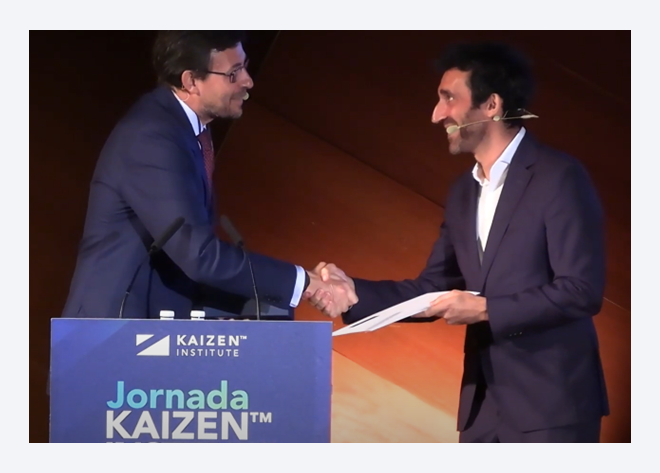
Figure 3 – Company recognition at the Kaizen Awards Spain 2025
This recognition reinforces the strategic relevance of the work carried out, as well as the organization’s commitment to continuous improvement, sustainability, and operational innovation.
See more on Sustainability
Find out more about improving this business area
See more on Discrete Manufacturing
Find out more about transformation in this sector