
Benchmarks & Client Cases
Improvement Cycles in Discrete Assembly


The Challenge
Unsustained results after project finishes
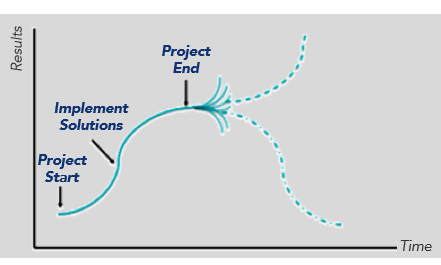
Unstructured Approach to Communicate Project Results

Problem
• Difficulty in sustaining implemented improvements, once projects have been completed
• Similar improvement projects being implemented simultaneously
• Improvement initiatives not perceived as part of daily activities by team leaders
Root Causes
• Loss of momentum when improvements are passed on to Gemba management
• Lack of overall visibility over ongoing projects and guarantee of alignment with company vision
• Poor improvement routines in the daily agendas of team leaders and disconnection between improvement culture and performance evaluation
The solution
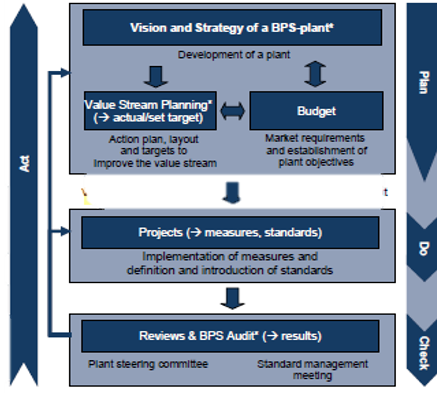
From Strategy to System CIP
Process Confirmation
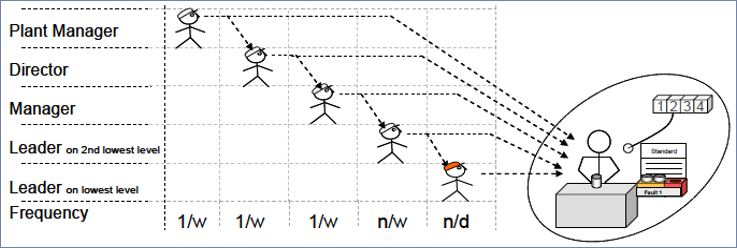
• Continuous Improvement Process (CIP) is composed of two levels: System CIP – holistic approach to improve the whole value stream with disruptive changes; and Point CIP – focus on the workplace or line to stabilise and improve existing standards
• Daily Management is ultimately responsible for sustaining the results after Point CIP has eliminated the largest causes of variability through standards and process confirmation, quick reaction systems and structured communication
• Initiatives implemented with System CIP are deployed from Vision and Strategy along with Value Stream Analysis and, once closed, are Reviewed and Audited
The Results
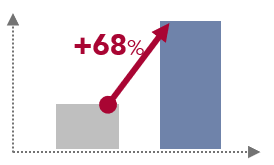
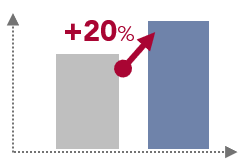
Productivity (parts/hour)
Productivity of labour increased by 68%.
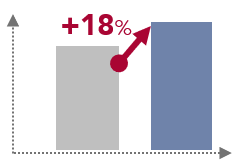
First Time Through
First time quality increased by 20%.
#assembly manufacturing #culture and organisation #improvement projects
See more on Assembly Manufacturing
Find out more about transformation in this sector
See more on Culture & Organisation
Find out more about improving this business area