Case Study
E.Leclerc: Establishing a Kaizen culture to transform operations and reduce shrinkage
Goals: develop team autonomy, standardize processes, and reduce in-store shrinkage through a structured continuous improvement approach


48%
Reduction in shrinkage in the fresh produce section
39%
Reduction in shrinkage in the bakery section
57%
Reduction in shrinkage in the deli section
In an increasingly competitive retail sector, brands must continuously improve their operations to maintain performance and meet consumer expectations. Controlling product shrinkages, optimizing inventory, and ensuring process efficiency in stores have become essential levers for guaranteeing profitability and service quality.
A historic brand in the French retail sector
Founded in 1949, the E. Leclerc group is today one of the leading retail brands in France, primarily in the food sector. Organized as a cooperative of independent retailers, the group operates a network of stores with a strong local presence and is committed to operational performance and customer satisfaction. The E. Leclerc Group has a 77-year history, marked by a strong capacity for adaptation and innovation in a constantly evolving sector.
In this context, the Cartheque group, which operates several E. Leclerc store formats in the Bordeaux region launched a structured, continuous improvement approach with the goal of optimizing its operations and strengthening team performance. Among its various entities are a hypermarket, an automotive center, a cultural space, and a convenience store in Verdon-sur-Mer.
The organization, which has approximately 250 employees, sought to structure its practices and develop a continuous improvement culture capable of engaging all teams in problem-solving and the daily improvement of operations.
Addressing the growing challenges of food retail
The mass retail sector faces numerous structural challenges: margin pressure, evolving consumption habits, managing product freshness, and the need to optimize inventory and logistics flows.
In this context, managing product shrinkage represents a major challenge for food retailers. Poor assortment, inventory, or forecasting management can quickly lead to significant losses and directly impact store profitability.
Before implementing the continuous improvement approach, several operational challenges were identified across the Cartheque group’s different activities. Although the challenges vary by sector, they all shared a common need: to structure work methods, improve operational visibility, and reduce inefficiencies.
“Let’s say that, after some time, we perhaps may become stuck in certain habits, and it is true that the presence of a service provider allows us to improve and realize that different and more effective processes are possible.” – Philippe Servero, Director of the cultural space
The main challenges identified were as follows:
Hypermarket and food departments – a level of shrinkage impacting profitability
In the food sections, managing product shrinkage represented a major challenge. The lack of a systematic analysis of loss causes made it difficult to identify corrective actions.
In this context, teams also lacked structured tools to analyze section performance and adapt assortments to local consumer habits.
It was therefore necessary to implement regular analysis processes, product ordering plans, and standards that would reduce losses and improve department management.
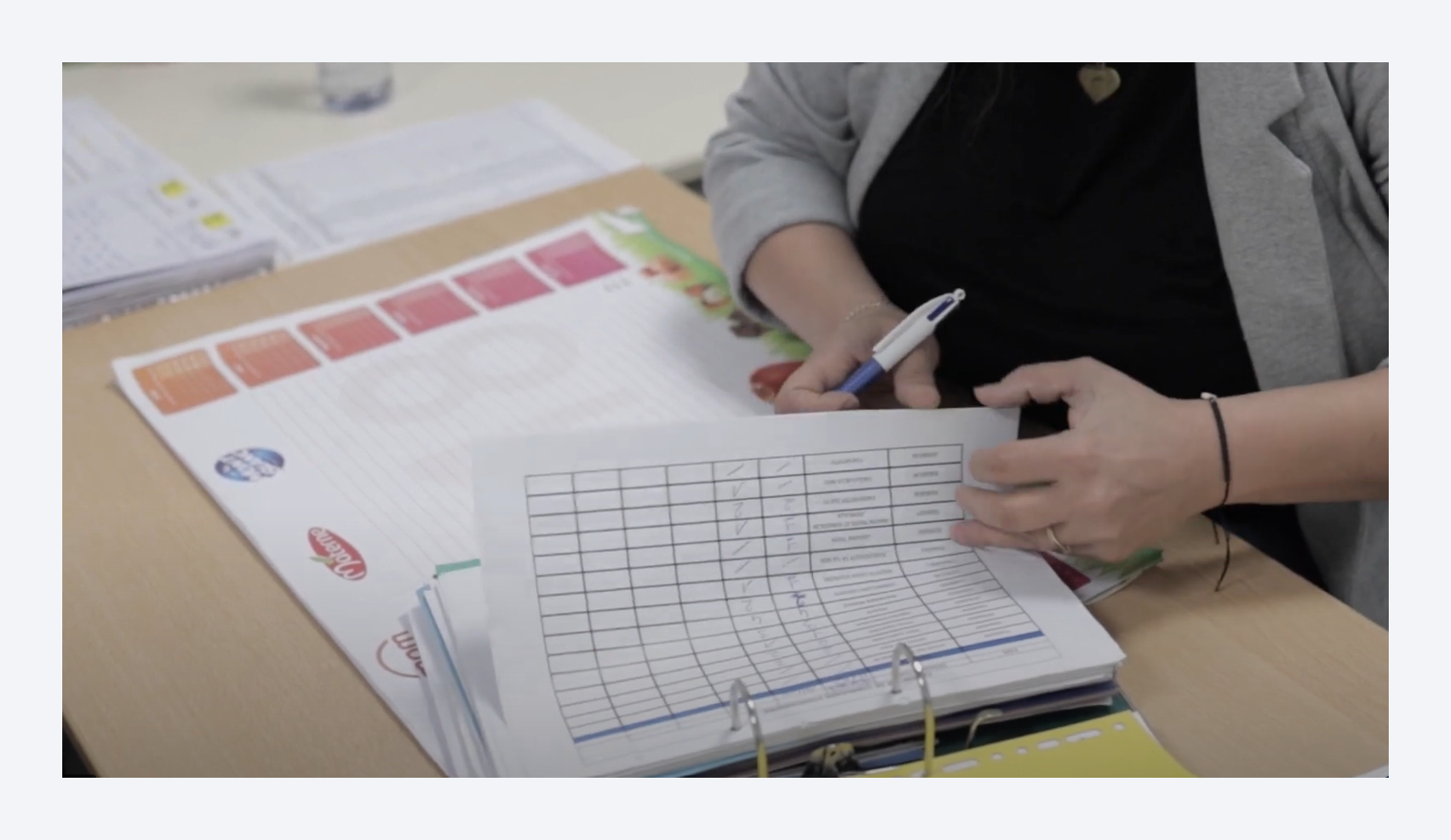
Figure 1 – Operational monitoring of shrinkage by in-store teams
Cultural space – lack of stock visibility
In the cultural space, one of the main challenges concerned the management of a decentralized stock, for which teams had little visibility.
This situation complicated daily operations and made sales more difficult, particularly for multi-skilled employees who did not always have access to reliable information on stock levels.
It was therefore necessary to implement a system that would improve visibility and product flow management.
Automotive center – operations lacking standardization
In the automotive center, challenges mainly concerned workspace organization and the distribution of responsibilities among teams.
The absence of clear standards for certain activities led to inefficiencies in daily operations. It was therefore necessary to improve workshop organization, structure processes, and clarify task allocation between front office and back office.
What if your teams could reduce shrinkge and improve performance?
Implementing a continuous improvement in culture at the group scale
To support the transformation, a team of Kaizen promoters was created to support the group’s different brands in implementing continuous improvement initiatives.
A mission control room was also created to promote exchanges between teams and share best practices. In this context, regular meetings allow for monitoring project progress and improving communication regarding ongoing initiatives.
In addition, several standards were developed to ensure consistency in work methods across all Cartheque group stores, namely through implementing standard work and applying the 5S methodology in warehouses.

Figure 2 – 5S definition
Hypermarket and food sections – structuring shrinkage analysis
In the food sections, several initiatives were implemented with the objective of reducing losses and improving assortment management.
Teams introduced, in particular, a daily analysis of the “Hit Parade” of items with the highest shrinkage, enabling identification of the products generating the most losses and analysis of the associated causes.
This analysis was supported by the implementation of several management tools:
- Project tracking tables.
- Benefit tracking system to measure the impact of actions.
- Standardization of shrinkage analysis processes.
- Standardization of delivery note control.
Teams also worked side by side with section managers to analyze various issues directly on the shop floor and identify the most appropriate solutions to reduce shrinkage.
In some cases, analysis of sales and consumer habits led to adjustments to product ranges and the introduction of ordering plans, allowing supply to be adapted to actual customer demand.
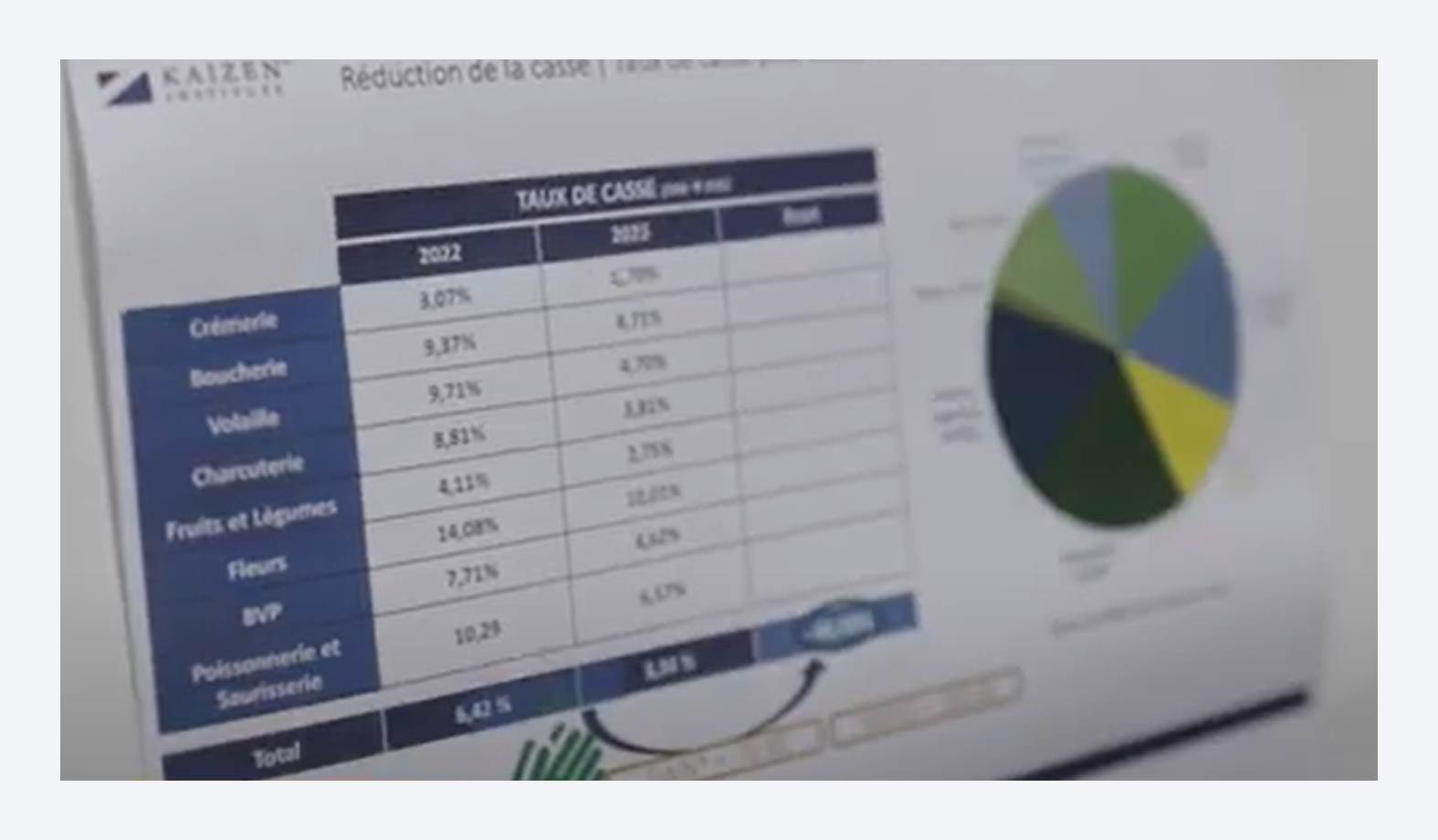
Figure 3 – Shrinkage analysis by section
Cultural space – digitizing inventory management
In the cultural space, one of the main projects consisted of improving the management of a decentralized inventory, previously difficult for teams to track.
To address this challenge, an application dedicated to inventory management was developed. This solution now allows employees to have better visibility into product inflows and outflows and facilitates sales.
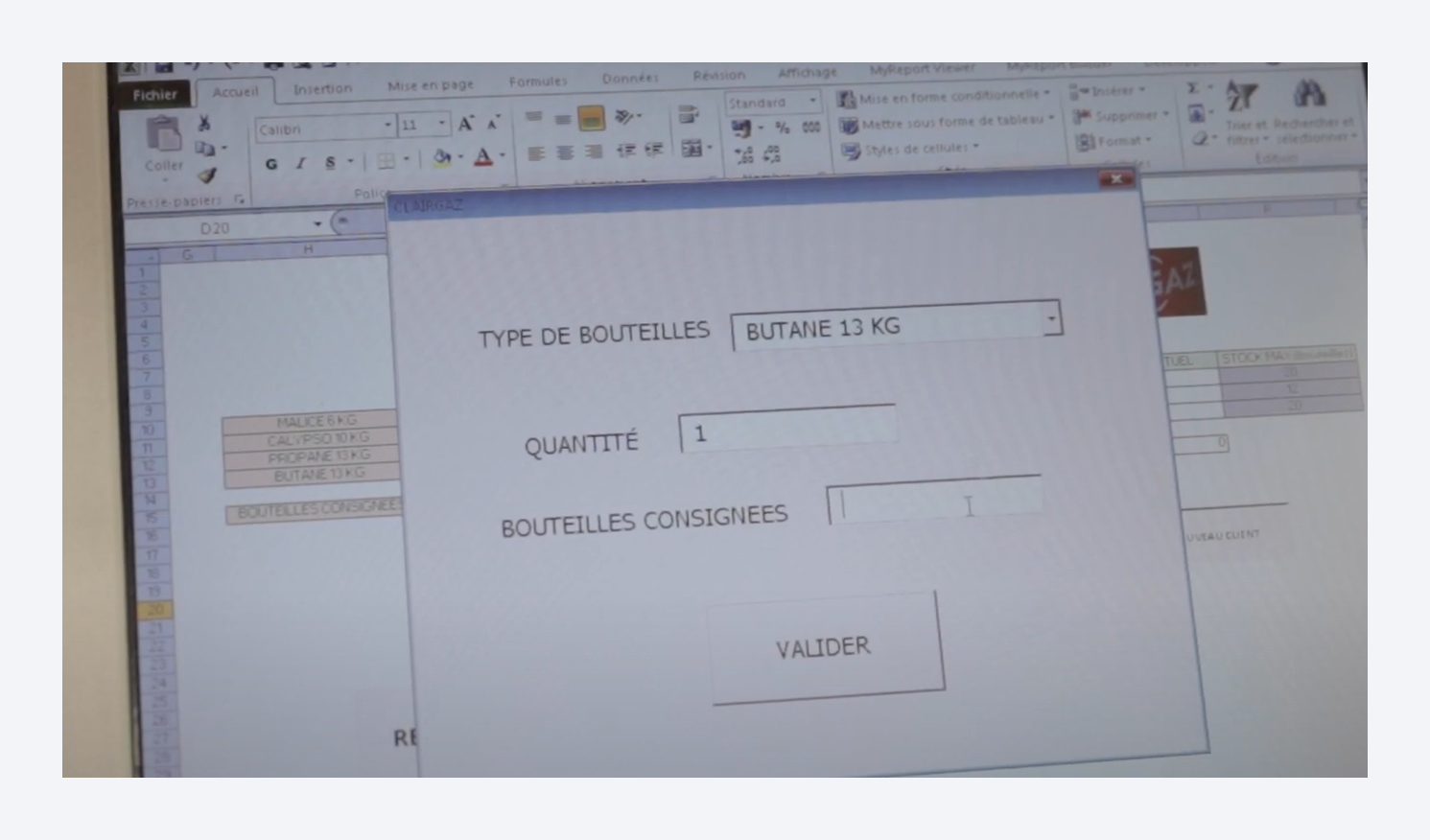
Figure 4 – Example of the developed app
To ensure effective use of this tool, process standards were also defined for product searches and application usage.
This approach made it possible to simplify daily operations and improve the reliability of the information available to teams.
Automotive center – standardizing the organization of operations
In the automotive center, initiatives focused on improving workspace organization and clearly defining responsibilities among teams.
A 5S project was carried out in the workshop with the objective of optimizing equipment organization and improving the efficiency of daily operations.
In addition, work was carried out to standardize the distribution of tasks between the front and back offices, clarifying responsibilities and improving coordination between teams.
Discover how to achieve excellence in grocery retail
Tangible results in operational performance
The implementation of the continuous improvement approach across the different brands of the Cartheque group generated significant results, both in reducing shrinkage and improving operational performance.
Significant reduction in product shrinkage
The actions implemented across several food sections made it possible to significantly reduce shrinkage:
- In the bakery section, shrinkage decreased from 7,71% to 4,68%, representing a reduction of approximately 39%.
- In the deli section, shrinkage was reduced from 8,81% to 3,81%, representing a decrease of approximately 57%.
- Across the fresh produce section overall, teams also achieved a 48% reduction in shrinkage.
Financial impact of the initiatives
The reduction in shrinkage and process improvements generated a significant financial impact.
Overall, the implemented actions made it possible to reduce shrinkage by approximately €70,000, intending to reach €100,000 in gains.
In addition, several operational initiatives contributed to generating €33,000 in additional gains, resulting from various improvements implemented in the stores.
Improvement in operational management
Beyond the financial impact, the approach also made it possible to improve the reliability of certain daily operations, particularly in inventory management and product tracking.
“Over the months, we realized that we were also able to manage inventory, carry much less stock, and work through that older inventory.” – Sophie Toureau Dubourg, Department manager
Teams now have better visibility into product flows and can make decisions more quickly, which helps make operations more reliable and improve store efficiency.
A sustainable transformation driven by teams
This approach demonstrates that continuous improvement is not based solely on tools or methods, but above all on team involvement in day-to-day activities. By providing employees with the means to identify problems, propose solutions, and improve their practices, the Cartheque group laid the foundations for a sustainable transformation.
The results achieved show that a continuous improvement culture, when fully integrated into operations, can generate a significant impact on store performance while strengthening team engagement.
See more on Retail
Find out more about transformation in this sector
See more on KAIZEN™ Culture
Find out more about improving this business area