
Interview
BD Enniscorthy: How kaizen turned associate engagement into operational results


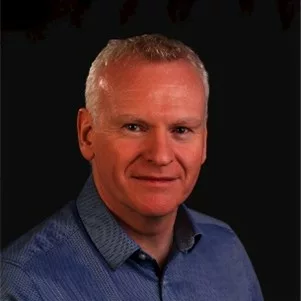
Gerard Reynolds
Director of Operations
BD, Enniscorthy
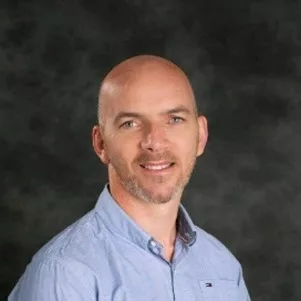
James Lowry
Senior Continuous Improvement Manager
BD, Enniscorthy
In conversation with Kaizen Institute
Medical devices used by patients worldwide are produced at BD’s manufacturing facility in Enniscorthy, County Wexford. As part of the BD Excellence program — the global organization’s structured drive toward operational efficiency — the site has become a reference point for what happens when continuous improvement is adopted as a genuine way of working, rather than just a management directive.
Gerard Reynolds and James Lowry have been at the heart of that shift. Between them, they have led kaizen events covering product leak reduction, line balancing, and output improvement — the latter focused on the Ultraverse™ range — each project building on the credibility of the last. Their experience points to something that tends to get lost in improvement programs: the methods matter less than the conditions that make people willing to use them.
In this interview, Gerard and James reflect on the projects that have had the greatest impact in Enniscorthy, the role of associate engagement in sustaining results, and the changes that occur when an organization moves from consulting theory to visible, practical action on the shop floor.
What makes BD Enniscorthy unique within the global organization?
Leadership at every level
– Gerard
What really stands out here is the leadership at all levels. You see it across the business: people at every layer of the organization have taken a genuine leadership approach to driving change, not just those at the top. That’s been the real game changer in terms of the kaizen work we’ve undertaken on site.
When people throughout the business feel empowered to identify a problem and act on it, the impact builds quickly. It changes the whole culture of how we approach improvement.
The Moonshine project was one of the site’s first major kaizen events under the BD Excellence framework. What did it deliver?
Kaizen activities
– Gerard
It had a dramatic impact on our ability to produce products for the Ultraverse™ ranges. We saw very significant increases in both output and yields, which translated directly into our ability to serve patients at a lower cost while maintaining the quality standards BD requires. But beyond the numbers, it signaled something important to the organization. It demonstrated that a structured kaizen approach, when applied properly, produces real results. That gave us the base to take the next steps with confidence.
The kaizen methodology puts considerable weight on engaging the people closest to the work. What does that look like at Enniscorthy?
Giving associates a voice
– Gerard
The people on the front line, the ones making the products every single day, know exactly how changes will affect the process and what would genuinely make their job easier. That knowledge has always existed. The problem is: it rarely goes anywhere. The kaizen approach creates the conditions for that to happen.
You sit down, you listen, you understand the opportunities they’ve identified, and then you do something about it. That makes a real difference: not just to the business, but to the associates themselves and their day-to-day experience of work. People who feel heard perform differently.
You described initial disbelief when the kaizen approach was first introduced. How did the team move from doubt to genuine buy-in? And where did it lead to?
From skepticism to ownership
– James
We’d tried several tools and approaches over the years, and people had seen enough of them come and go. The default attitude was: “This is something new, it probably won’t last.” What changed was the results.
We ran a kaizen event on product leaks and significantly reduced them. After that, people stood up and said, “This is the approach we want.” That credibility carried straight into our next major event: balancing Line #8. People were ready to engage because they had already seen what was possible.
Before the event, the imbalance was something people felt every shift: one operator under pressure, the person next to them with capacity to spare. Once we introduced proper flow and balance, that friction went away. When everyone is working to the same cycle, it just feels fair, and the collaboration follows.
You have described the Kaizen Institute’s approach as distinct from conventional consulting. What was the practical difference?
Theory into practice
– James
We’ve worked with consultants before, and the pattern is usually the same: they teach you the theory, and then they leave. What was different here with Kaizen Institute was that the theory came with practical application: on the line, with the operators, in the actual space where things needed to change. It wasn’t abstract.
“This is what we discussed; this is what we now need to do.”
People could see the change in front of them and then see the results follow, and that combination is what makes it stick. Theory on its own rarely does.
Empower your teams and turn engagement into sustained operational performance
Key takeaways
The kaizen program here did not take hold solely because of a strong launch or senior sponsorship. It took hold because each event delivered something visible, and visible results changed what people were willing to try next. The question moved, over time, from “Will this work?” to “What do we do next?” That shift — from skepticism to ownership — is probably the most important thing we can point to.
A few things stand out. Leadership needs to be distributed: when people at every level feel responsible for improvement rather than subject to it, the impact compounds. Credibility comes from results, not announcements — the leak-reduction event preceded Line #8 for a reason: each outcome made the next project easier to run. Operators are not a courtesy inclusion either; on Line #8, the results simply would not have been achievable without the people working that line every day. Their involvement was the work, not a formality around it. And practical application is what transfers — the difference between this program and previous consulting engagements was not the quality of the theory, it was whether people could see the changes land in the space they worked in. That is what closes the gap between knowing what needs to change and making the change.
Looking ahead
The work at BD Enniscorthy is not finished. Line #8 is not the end of the story; it is the event that made the next one credible. Gerard and James are not describing a program that was done for their workforce. They are describing one their workforce helped build.
For manufacturers under pressure on cost, quality, and output at the same time, that distinction is probably the most useful thing in this conversation.
The gap closes when people are kept in the room. As James Lowry observed during the conversation:
“People sit there eight, nine hours a day and they’ve loads of ideas — but sometimes they feel like nobody’s listening to them.”
That is the condition on which everything else depends.
The lessons from Enniscorthy are relevant to any manufacturer navigating the gap between knowing what needs to change and building the organizational conditions to make change last. The site demonstrates that when associates are brought into the process as active participants rather than passive recipients, the results belong to everyone and are far more likely to endure.
See more on Consumer Products
Find out more about transformation in this sector
See more on Operations
Find out more about improving this business area