Case Study
Lean philosophy and organizational transformation in production
Goals: increase productivity and streamline processes by shifting the focus of production from equipment to product flow


+48%
Productivity
Transforming an organisation is rarely just a matter of tools or technology; rather, it is a shift in mindset and culture. This case study follows the journey of a company that, starting with a traditional production model, decided to completely rethink how it operates. By adopting the lean philosophy and KAIZEN™, it placed product flow and continuous improvement at the centre of its decision-making, reorganising processes, empowering teams, and creating the conditions for sustainable growth.
The company: Where innovation begins with frames
The company is a prestigious international brand hailed for its entrepreneurship mindset, innovation, and constant pursuit of new challenges. Inspired by the famous quote from Mies van der Rohe, “Less is more,” the company developed a minimalist design model that challenges expectations. This system stands out for having the world’s thinnest central mullion without compromising performance and includes exceptional maintenance and robust thermal and acoustic insulation.
The company engages in conceptual urban metalwork, with the goal of always pushing the boundaries of technical expertise. Its portfolio consists of a wide range of products made from raw materials such as iron, aluminium, glass, and steel.
These products range from modular minimalist frames to hidden frame systems, adaptable to the specific needs of each project, thus expanding possibilities for architects. Each product results from the work of experienced specialists, with options including motorisation, large windows, blinds, and mosquito nets.
Initially a conventional metalwork shop, this company faced challenges since it began its transformation journey, such as batch production, which focused on optimising equipment rather than product flow, leading to poor work standards and an inefficient production control system. These factors resulted in complex and slow processes, complicating planning and lead time estimation, ultimately creating an environment prone to waste.
Recognising the need to evolve, the company’s management sought to improve and implement the Lean philosophy to enhance operational efficiency and prepare the company for a more promising future.
The challenge: From batch to flow
The transformation was based on a clear goal to increase productivity by 20%, which was broken down into challenges, each with specific objectives:
1. Increased productivity
This objective was supported on three complementary fronts:
- Process rationalisation: Review and optimise production processes, critically analysing current methods to identify bottlenecks, inefficiencies, and automation opportunities.
- Team empowerment: Invest in training and develop employee skills to improve work efficiency and quality.
- Embrace technology: Explore advanced technologies and automation to accelerate production without compromising on quality.
Taken together, these measures were aimed at improving efficiency without compromising the quality of the final product.
2. Cleaner and organised work environment
A more organised workspace became the foundation for all other improvements:
- Reduce waste: Identify and eliminate resource waste through organising and standardising processes, such as delivery time, materials, and effort.
- 5S implementation: Implement the 5S methodology (Seiri, Seiton, Seiso, Seiketsu, Shitsuke) to organise the workspace, making it more efficient and safe.

Figure 1 – 5S methodology
The result was a safer, more efficient environment with less visible waste.
Gain valuable insights with our 5S guide and start improving your workspace today
3. Improved process control
Gaining visibility into the process has become just as important as optimising it:
- Real-time monitoring system: Implement real-time monitoring systems for visibility into project progress.
- Continuous feedback and adjustments: Establish a feedback loop for rapid and practical adjustments in response to issues or changes in project requests.
This visibility has made it possible to identify and correct deviations much more quickly.
4. Improved work standards
The consistency of the process now depends on clear standards shared by everyone:
- Develop standardised procedures: Develop and implement standardised operating procedures for consistent and efficient production.
- Quality and excellence culture: Foster an organisational culture that values quality and continuous improvement of work standards.
More than just documents, these standards have become part of the daily work culture.
5. Understanding lead time by product
Without knowing how long it actually takes to produce each product, planning would always be a guessing game:
- Detailed production times analysis: Perform a detailed production times analysis, identifying variables and potential delays.
- Improved planning and forecasting: Use collected data to improve production planning and delivery forecasts, increasing reliability and customer satisfaction.
With this information, the company began planning based on data rather than estimates.
These challenges and objectives highlight the complex nature of the company’s shift towards a more efficient and sustainable business model. The company sought immediate improvements in productivity and organisation and a cultural transformation that emphasised continuous improvement and excellence in all operational aspects.
Ready to transform your production?
The approach: From diagnosis to action
The company’s journey to operational excellence began with a comprehensive diagnosis and a deep analysis conducted with top management. This meticulous process involved detailed mapping of existing processes and identification of critical points and inefficiencies. Based on this analysis, a strategic consensus emerged: shift away from optimising equipment to efficient product flow.
Implementing lean strategies and restructuring
With its new focus in place, the company moved forward with the physical and operational restructuring of production through a series of lean initiatives:
Redesign of plant layout
The company embarked on a substantial review of the plant layout, aiming to create a more logical and efficient workflow. This redesign minimised unnecessary movement and maximised space utilisation, promoting a sound and effective workflow.
Adopt and implement 5S methodology
The company embraced the 5S principles to transform the work environment. Known for organisation and cleaning strategies, this method created a workspace that elevated the operational environment’s efficiency, safety, and quality.
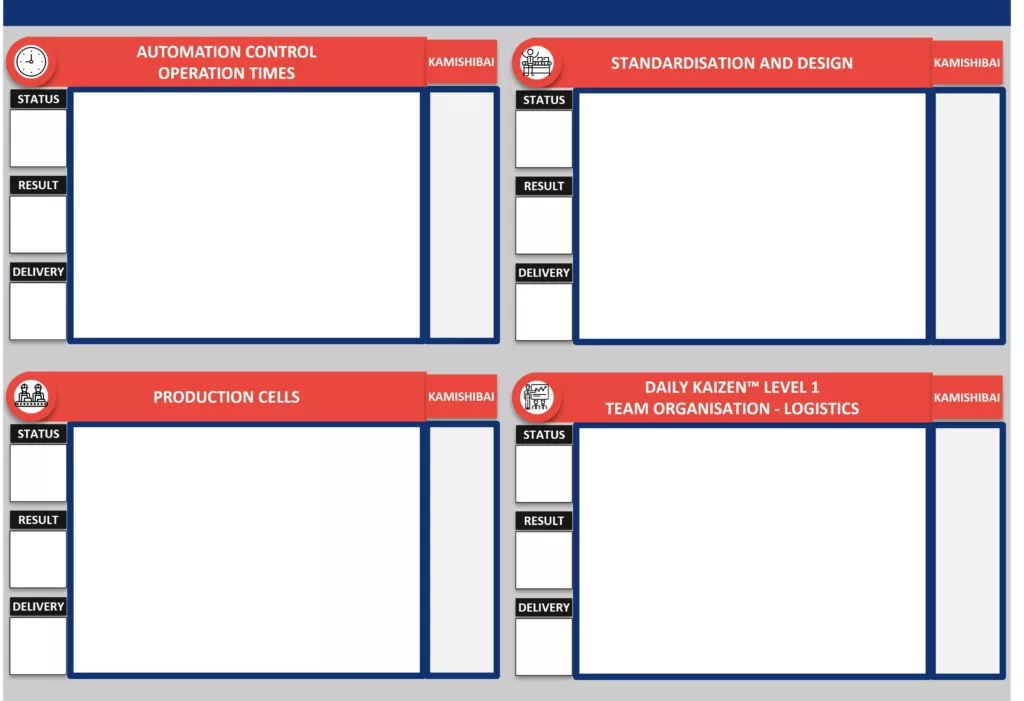
Figure 2 – KAIZEN™ Events follow-up board
Identifying and optimising bottlenecks
A focused analysis was conducted to identify bottlenecks in production processes. Once identified, strategic solutions were implemented to optimise these critical points, significantly increasing production efficiency.
Implementing one piece flow
The one piece flow system was used to reduce waiting times between operations. This shift to a continuous and single flow helped decrease stock levels and increase production flexibility and agility.
Task balancing
Task distribution among workers was reassessed to spread the workload across teams, ensuring a balanced and efficient operation.
Creating the pacemaker box
A pacemaker box system was developed to control the production pace. This system helped synchronise production line operations, increasing workflow stability and predictability.
Developing standard operations
Standardised operations were developed and implemented to ensure consistency and high quality across the production line. These standards served as a guide to maintain uniformity and efficiency in each production step.
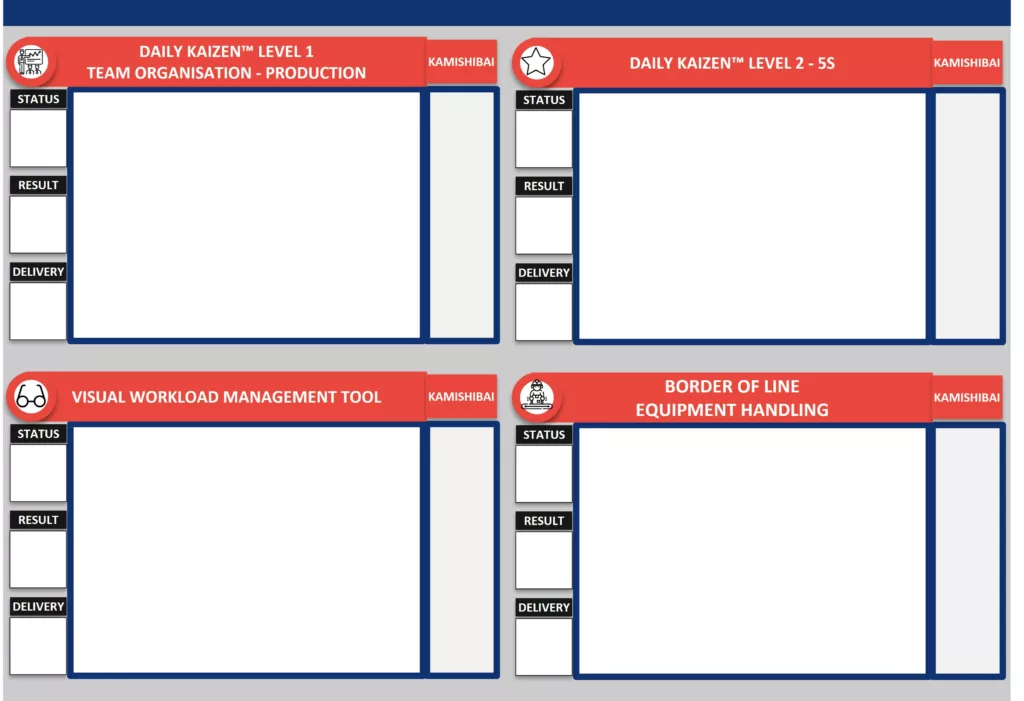
Figure 3 – Elements of the KAIZEN™ Event follow-up board
Creating intermediate buffers
The company established intermediate buffers between operations. These buffers were carefully sized to handle production variations, ensuring continuity and fluidity.
Implementation of border of line and logistics train
A dashboard was implemented to monitor and control production efficiently. A logistics train was also implemented for timely and efficient material replenishment in the production line.
Operational management and continuous improvement culture
Alongside the restructuring of its processes, the company invested in management procedures that would support the change in day-to-day operations:
- Introducing shop floor management: The company introduced shop floor management principles to manage daily operations more effectively. This approach ensured greater accountability and alignment with the company’s strategic goals.
- Creating operational indicators: Key performance indicators were established to monitor and assess operational progress. These indicators provided valuable insights for decision-making and identifying areas for continuous improvement.
- Implementing daily meetings: Daily meetings focused on people, quality, cost, and delivery were implemented. These meetings became crucial for a constant progress review, allowing quick responses to challenges and fostering a collaborative and open communication environment.
Supervision routines: Supervision routines were established to ensure adherence to new standards and practices. These routines also promoted a continuous improvement culture, encouraging the team to seek ways to enhance efficiency and quality constantly.
A goal exceeded with cultural impact
With the implementation of lean and KAIZEN™ principles, the results exceeded initial expectations and set a new benchmark for operational excellence, both in terms of operational metrics and the cultural impact the project brought to the organisation.
- 48% increase in productivity: more than double the initial target of 20%, driven by the optimisation of bottlenecks, one-piece flow, and task balancing.
- Transformed work environment: thanks to the 5S methodology, a cleaner and more organised space that improved operational efficiency, safety, and employee wellbeing.
- Process and lead time control: knowing the lead time for each product enabled more precise planning and more reliable deliveries.
- Reduced variability and waste: standardising operations brought greater consistency in product quality and a sharp reduction in resource waste.
- Synchronised operations: the pacemaker box and supervision routines harmonised operations, resulting in a more stable flow and fewer interruptions.
On a cultural and strategic level, the project went beyond plain operational improvements: spreading a continuous improvement philosophy into the company’s DNA and preparing it for a future of constant innovation and market adaptation.
Less waste, more productivity
For companies in this industry, the Kaizen Institute helps transform production processes, reduce waste, and increase productivity. With a methodology tested in hundreds of projects, Kaizen Institute helps these organisations transition from equipment-focused production to a continuous, more predictable, and efficient product flow. The result is a more competitive operation, supported by a genuine culture of continuous improvement.
A culture that lasts into the future
This company’s transformation demonstrates the power of lean and KAIZEN™ methodologies when applied with precision. The decision to place product flow at the centre of the operation, rather than the isolated optimisation of equipment, brought production closer to market demand and proved to be the right choice, resulting in greater customer satisfaction.
This case study is more than a demonstration of business effectiveness; it is a testament to the strength of strategic leadership, the importance of a resilient and flexible corporate culture, and the power of continuous improvement. This case sets a benchmark for other organisations seeking operational success and a holistic transformation involving all operational and strategic aspects.
We are committed to respecting our clients’ confidentiality. While we have altered or omitted their names, the results are genuine.
See more on Metals & Machinery
Find out more about transformation in this sector
See more on Improvement Projects
Find out more about improving this business area