Case Study
AviusULD: A journey of continuous improvement
Goals: improve efficiency and reduce costs by applying Kaizen methodologies across three critical production areas


-75%
Scrap reduction
-50%
Pallet packaging cost
-20%
Scan time on the soft goods line
Continuous improvement has been a key pillar of innovation and efficiency in highly demanding sectors. In the aerospace sector, where safety, reliability, and sustainability are non-negotiable, AviusULD has distinguished itself by launching the AviusULD Ascend program, a structured journey of cultural and operational transformation based on Kaizen principles.
This program has not only optimized critical production processes and significantly reduced costs, but it has also strengthened the company’s position as a global leader in the aerospace industry, earning well-deserved recognition at the KAIZEN™ Awards Thailand 2025, with the Excellence in Breakthrough Transformation award.
The company and its journey in the air cargo sector
AviusULD is a global leader in innovation within the air cargo industry, offering a comprehensive range of high-quality ULDs (Unit Load Devices) designed to meet airlines’ needs for durability, reliability, and safety, at the lowest total cost of ownership (TCO).
The company was founded in the 1970s under the name Alusingen, and over the years, it has integrated several prestigious brands, including Alusuisse, Alcan, Driessen Air Cargo Equipment, Zodiac Air Cargo Equipment, and Safran Cabin Cargo. With this legacy, AviusULD has built decades of expertise and recognition in the industry. Today, it is part of the CCE Group and maintains the same dedication to excellence, innovation, and customer proximity.
AviusULD’s mission is to be the leading provider of customized air cargo equipment solutions, with a strong focus on customer-centricity, long-term partnerships, sustainability, and after-sales service. Its vision is to revolutionize the global ULD industry through outstanding customer experience, continuous innovation, and its ongoing commitment to improvement. The company operates under a culture of continuous improvement and global responsibility, built on three core pillars:
- Worldwide support: by delivering high-quality products and services worldwide.
- Long-term relationships: by valuing and prioritizing customer trust and satisfaction.
- Quick turnaround: by addressing customer requests and needs in a short time frame.
In addition to these pillars, AviusULD maintains a strong commitment to ESG practices. As a member of the EcoVadis program, it has achieved a “Committed” rating, recognizing its ongoing efforts in sustainability and corporate responsibility.
AviusULD’s core values reflect its organizational identity and guide its strategic and operational decisions:
- Customer focus: driven by a customer-centric approach that actively gathers feedback and anticipates customer needs.
- Innovation: applying technical expertise and creativity to develop the future ULD solutions.
- Excellence: committing to getting it right the first time while promoting continuous improvement in processes, products, and performance.
- Integrity: acting ethically and transparently, with a foundation in responsible business practices.
- Teamwork: fostering a collaborative culture that supports collective growth, continuous learning, and joint celebration of success.
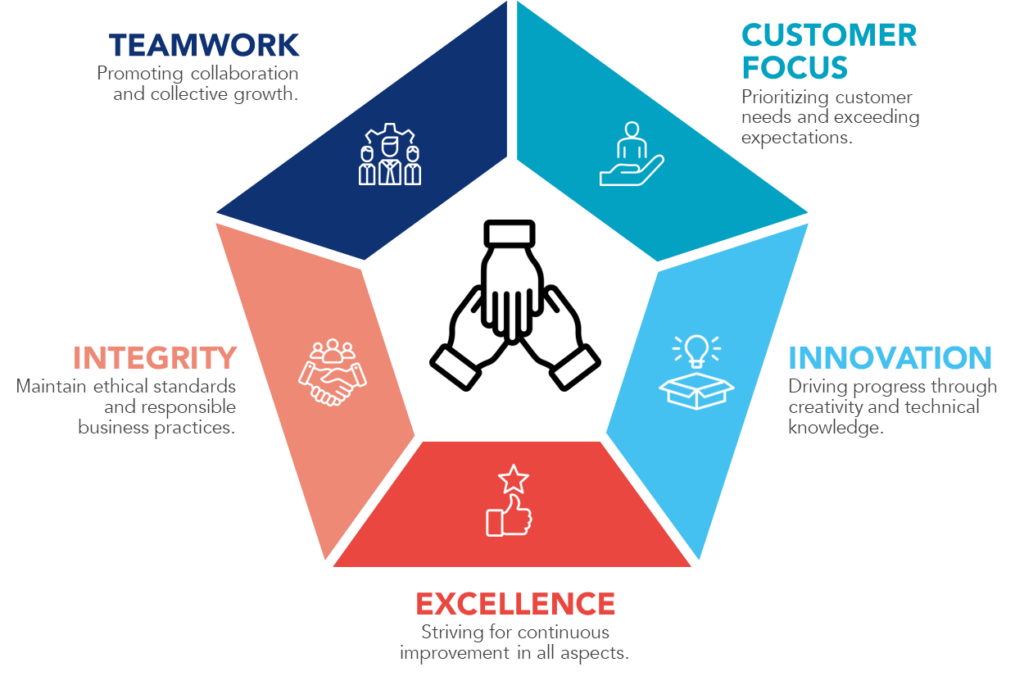
Figure 1 – The company’s core values
The AviusULD Ascend program
With the launch of the AviusULD Ascend program, developed in partnership with the Kaizen Institute, the organization initiated a cultural transformation based on Kaizen principles to address the production challenges it was facing at the time. Improvement initiatives were implemented across three levels: Strat Kaizen, Value Stream Kaizen, and Daily Kaizen.
Strat Kaizen
The Hoshin Planning methodology (also known as Strategy Deployment or Hoshin Kanri) allowed the global strategy to be aligned with the operational objectives of every level of the company. Using the X-Matrix, breakthrough objectives were defined for a three- to five-year horizon based on strategic priorities and customer data.
“Corporate strategy shouldn’t stay confined to the boardroom; it belongs to the entire company and can only succeed when it earns buy-in from a motivated workforce.”
These goals were then broken down into annual targets and specific action plans, covering all organizational levels.
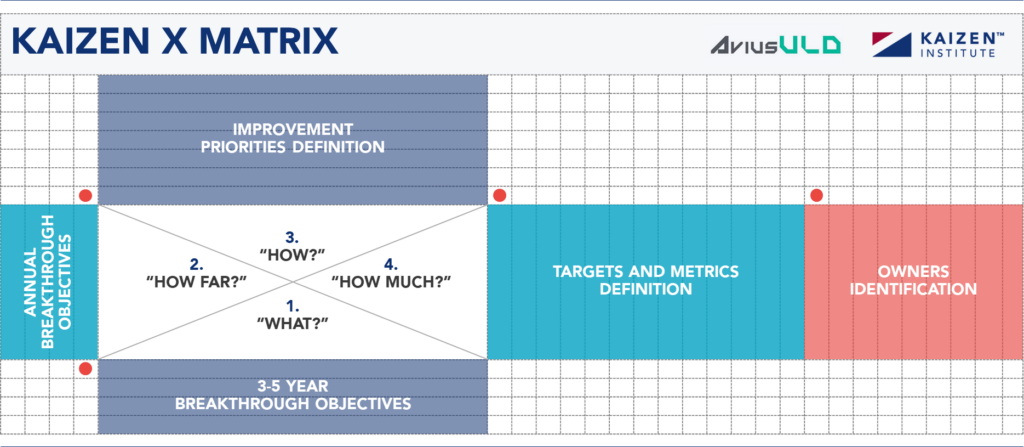
Figure 2 – Representation of the X-Matrix
Value Stream Kaizen
Value Stream Kaizen (VSK) played a critical role in driving continuous improvement across the organization’s value streams by connecting long-term strategy with daily execution. While senior leadership focuses on breakthrough advancements such as defining strategic objectives and implementing the X-Matrix, supervisors and operators also work directly on day-to-day management, applying standard work to ensure consistent, high-quality production of ULDs.
This balance between strategic direction and operational execution proved essential. Through VSK, continuous improvement priorities were aligned with the practical, immediate needs of each organizational level—ensuring that everyone worked toward shared goals and methodologies.
In 2024, during Value Stream Kaizen, a Value Stream Analysis (VSA) was conducted, resulting in 11 Kaizen Events. Among these, three stood out for their exceptional results:
- Optimizing packaging.
- Redesigning the soft goods line.
- Leftover management.
Discover how the Kaizen methodology is transforming the aerospace industry
Daily Kaizen
The Daily Kaizen practice strengthened the culture of continuous improvement across all teams, promoting proactive problem-solving, identifying opportunities, and sharing best practices. The program placed particular emphasis on fostering a no-blame and no-judging mindset, which proved vital for encouraging idea generation, learning, and continuous innovation.
“Even the best-run team can’t fix everything at the same time.”
This balance between strategic planning, improved flows, and day-to-day management is what underpins AviusULD’s transformation and has allowed it to evolve into a proactive culture focused on excellence and sustainability.
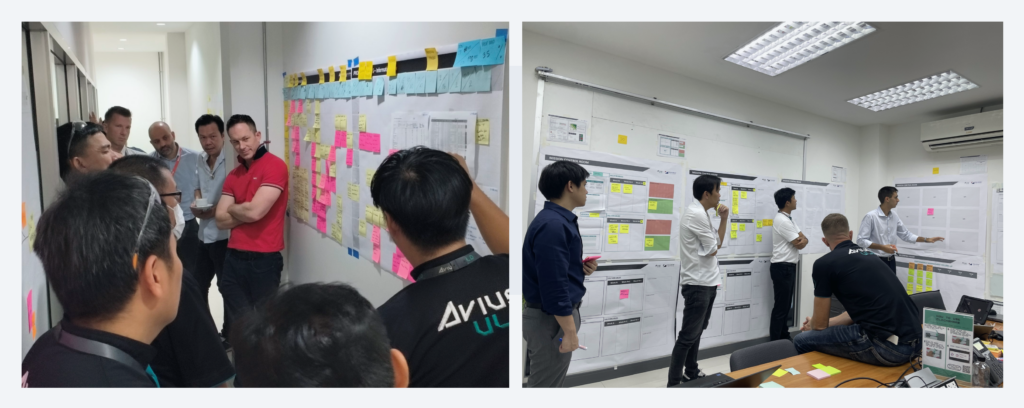
Figure 3 – Example of Daily Kaizen meetings
The importance of avoiding the pitfalls of improvement
At AviusULD, it is well understood that simply launching a continuous improvement program is not enough to transform every process at once. Sustainable change requires a balanced approach—one that goes beyond a structured plan. For improvement efforts to be truly effective, it is essential to avoid extremes, such as process stagnation, meeting overload, or the misuse of artificial intelligence (AI), or the risk of implementing too many improvements at once, which can disperse efforts and divert focus.
The key lies in implementing incremental changes that allow for regular reviews, adjustments, and adaptations without significantly disrupting existing processes. By setting stretch goals, AviusULD challenges its teams to achieve ambitious targets, but always within a realistic framework and aligned with operational objectives. In this context, the catchball process also ensures fluid, two-way communication, guaranteeing that all levels of the organization are aligned and involved. This alignment across all levels fosters greater team autonomy and a strong sense of ownership and accountability for collective results.
AviusULD is committed to constant and sustainable evolution, where improvements are made collaboratively, and every team member plays an active role in driving the company’s transformation.
“We turn each AviusULD team member into a leader, giving them the responsibility for success as well as the means to achieve it.”
The focus is not on giant leaps, but on continuous improvements that engage all areas of the organization every day, always in a gradual manner and with the regular monitoring necessary to achieve consistent and lasting results.
Kaizen Events and implemented actions
To meet the objectives set under the AviusULD Ascend program, a series of targeted Kaizen initiatives were implemented, each focused on critical areas of production. These actions combined structured problem-solving methodologies with the active involvement of teams, resulting in significant gains in costs, efficiency, and sustainability.
Packaging optimization
In the packaging area, the team applied tools such as Kobetsu Kaizen, the Ishikawa Diagram, Value Analysis/Value Engineering (VAVE), and the Trial & Error approach. This process allowed for an in-depth analysis of the causes of inefficiency and the testing of different solutions until the ideal result was achieved.
The work culminated in the redesign of AKE, AKH and pallet, leading to a 50% cost reduction while enhancing the efficiency and sustainability of packaging processes.
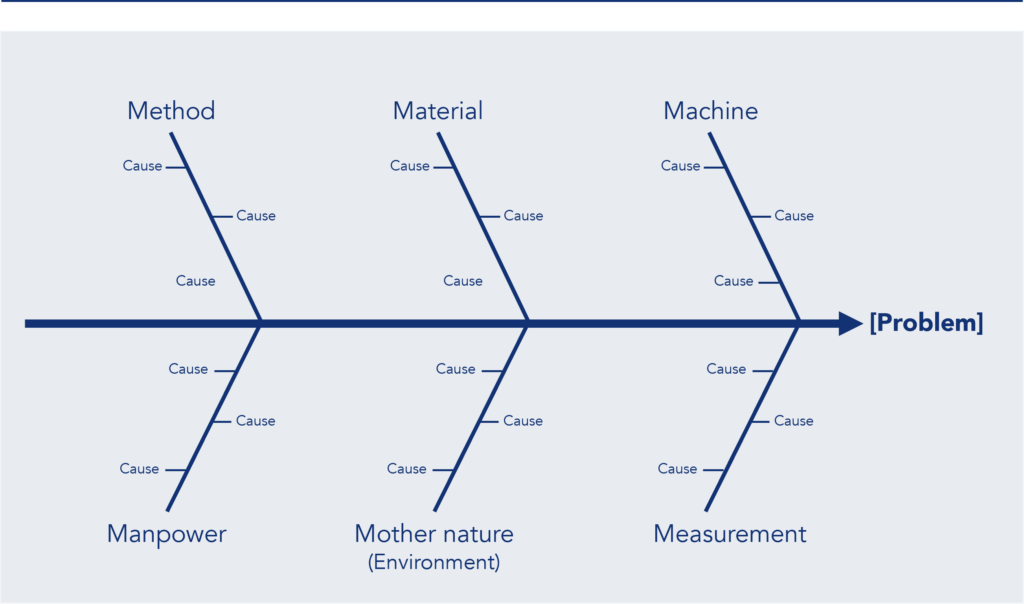
Figure 4 – Example of an Ishikawa diagram structure
Soft goods line redesign
To improve the performance of the soft goods production line, methodologies such as value-added vs. muda analysis, line balancing with Yamazumi, and line and layout redesign were applied.
The analysis revealed that redesigning the soft goods line would be beneficial. Therefore, the line was restructured based on the one-piece flow concept. To ensure the efficiency of the new layout, 5S was also applied, ensuring that materials, tools, and workstations were organized in an optimized manner.
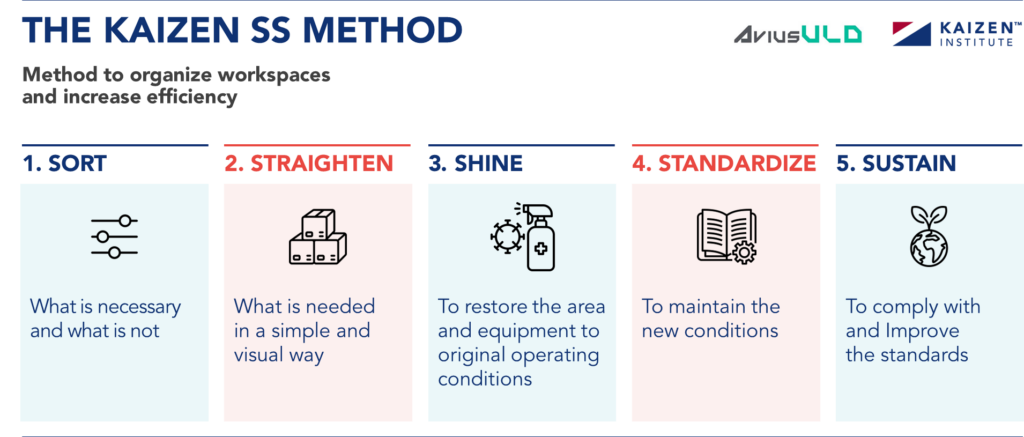
Figure 5 – Application of the 5S methodology
Leftover management
In waste management, the team utilized Gemba Walks for direct on-site observation and subsequently applied Value Analysis/Value Engineering (VAVE) methodologies to identify the root causes of the problems.
The analysis revealed that using 1,500 mm wide coils, a long-standing practice, generated a considerable volume of waste. Switching to 1420 mm wide coils proved to be the ideal solution, resulting in a 75% reduction in scrap.
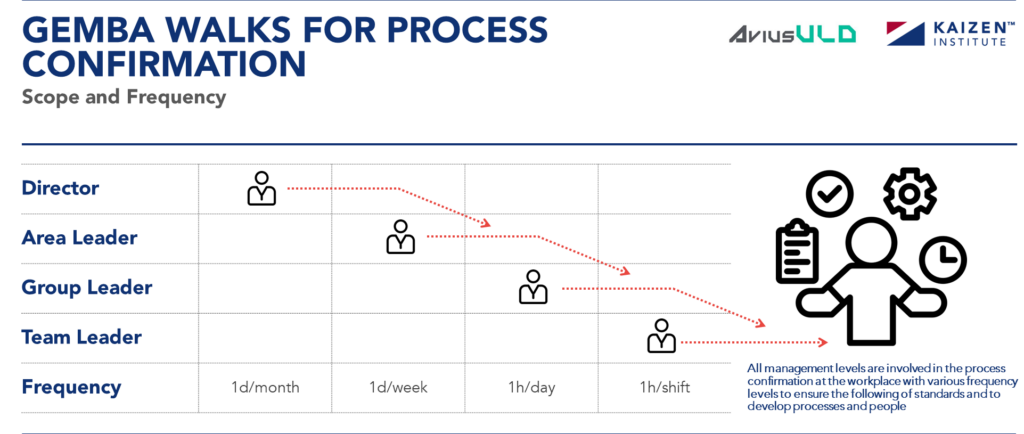
Figure 6 – Gemba Walks for process confirmation
Problem-solving and coaching matrix
One of the core methodologies adopted in the AviusULD Ascend program was the development of a problem-solving and coaching matrix, designed to train leaders in addressing complex problems. The main goal was to transform the traditional trial-and-error approach into a structured and effective problem-solving methodology, capable of preventing recurring issues and fostering sustainable solutions.
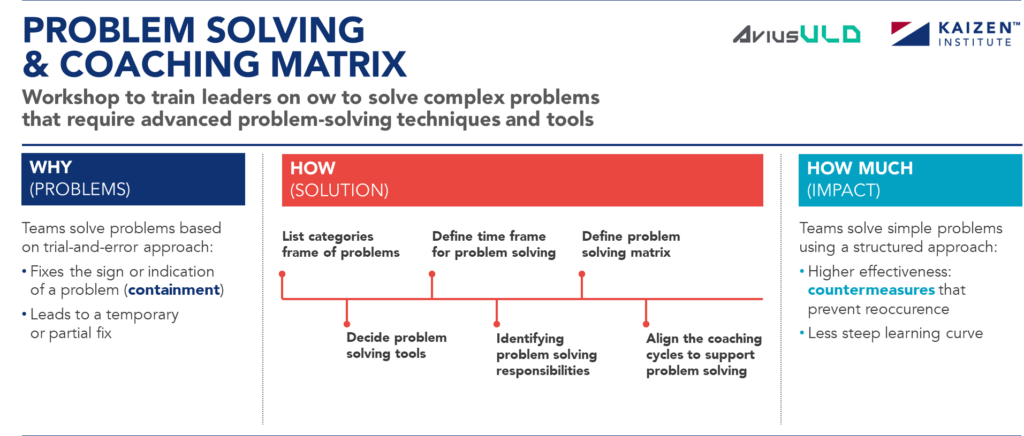
Figure 7 – Overview of the problem-solving and coaching matrix approach
By implementing this structured approach, teams began to solve simple problems more effectively.
Sustaining improvement through the Mission Control Room
As part of the AviusULD Ascend program, a Mission Control Room was created to centralize the monitoring and rapid resolution of production problems. Designed in accordance with Kaizen and Lean principles, this space allows teams to visualize performance indicators, identify deviations, and define corrective actions collaboratively and immediately.
The introduction of this room reinforced the integration of Lean Manufacturing ideals, focusing on waste elimination and maximizing value at every stage of the process. The Mission Control Room thus became a point of convergence between strategy and execution.
Achieved results
The systematic application of the A3 reporting concept in all Kaizen Events has generated gains in costs, productivity, and sustainability:
- Reduction in packaging costs: -30% (AKE), -50% (AKH), -50% (pallet).
- Operational efficiency: -20% scan time on the soft goods line.
- Sustainability: -75% scrap.
These results demonstrate the direct impact of systematically applying Kaizen methodologies, resulting in sustainable improvements that enhance AviusULD’s competitiveness and solidify its position as a benchmark in the air cargo sector.
Expanding continuous improvement to marketing and sales
The AviusULD Ascend program goes beyond optimizing production operations. Staying true to the belief that Kaizen is a cross-functional philosophy, AviusULD is now extending continuous improvement methodologies to its marketing and sales departments, reinforcing efficiency and consistency throughout the value chain.
The digital strategy is no exception and is currently being revamped, with the creation of an SEO-optimized website, an active presence on social media, and a customer-oriented content approach based on storytelling and analytical data.
The transformation of these areas reflects the same rigor applied in production: simpler processes, reduced response times, and greater customer proximity. This integration of Lean and Kaizen principles into commercial and marketing functions ensures that every customer interaction adds value.
Recognition of continuous improvement practices
Thanks to the success of the AviusULD Ascend program, the company was honored with the Excellence in Breakthrough Transformation award at the KAIZEN™ Awards Thailand 2025.
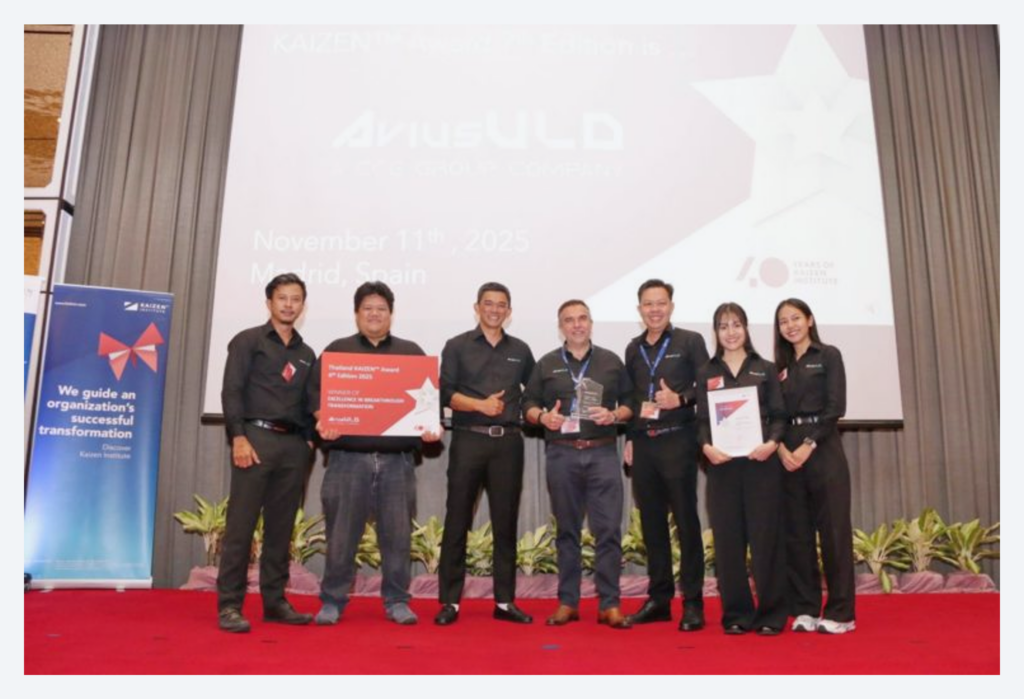
Figure 8 – Company recognition at the KAIZEN™ Awards Thailand 2025
These results reflect a strengthened internal culture, based on employee-led initiatives and continuous development programs.
“Winning this award is a credit to our entire team. It reflects the discipline and dedication of our people, and the momentum we are building through AviusULD Ascend.” – Charles Drummond, CEO of AviusULD
AviusULD’s experience demonstrates that tangible gains in cost, efficiency, and sustainability can be achieved through the structured application of Kaizen methodologies.
This journey underscores that continuous improvement, when deeply embedded in an organization’s culture, is a crucial driver of sustainable and competitive success.